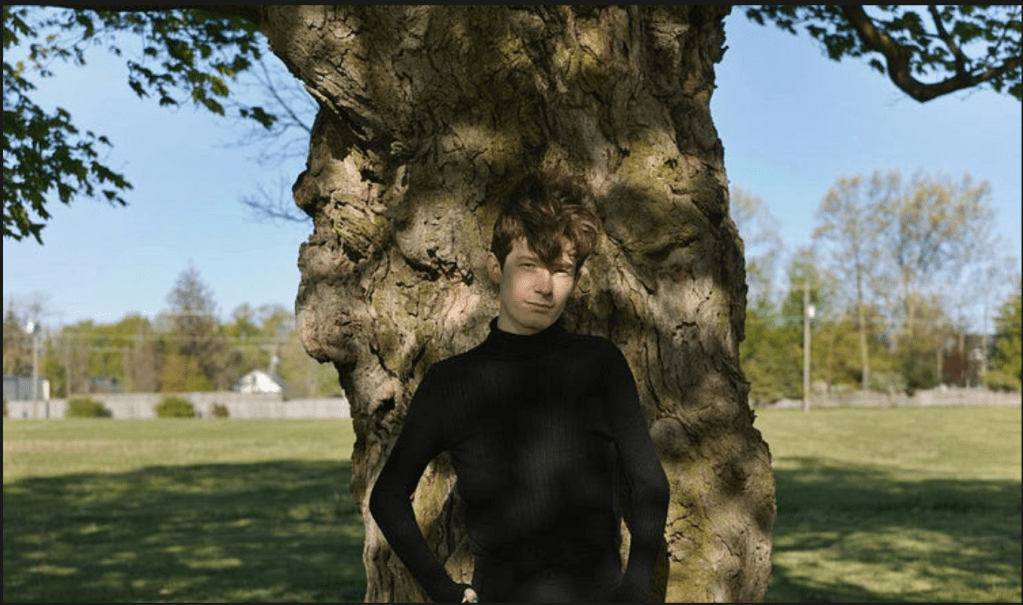
Doctors told me I was transgender at 13. I’m 23 now, permanently altered, and fighting to make sure it never happens to another child.
By Jonni Skinner – 05.05.26 — Sex and Gender – The Free Press
Abigail Shrier, Emily Yoffe, and others cover the new sex wars—from sports fields to classrooms and hospitals. Plus: the new realities of reproduction.
Between 2017 and 2021, the number of American children with gender dysphoria who started taking puberty blockers doubled. In the vast majority of cases, their parents sought medical help because their kids were distressed about their gender—and they were told the drugs’ effects were safe, reversible, and necessary. But now those children are adults, and some are finding that the treatment has long-term consequences that they weren’t prepared for—in some cases permanent and devastating ones. A growing number are speaking out and pursuing legal action, determined to save another generation from their fate.
The legal system is still catching up. In February, we exclusively reported on the first malpractice suit brought by a de-transitioner to go before a jury—a case that ended with a $2 million verdict for Fox Varian, a 22-year-old who sued the providers who oversaw her gender transition as a minor. Legal experts say the verdict could open the floodgates. Then the Supreme Court ruled 8–1 that conversion therapy bans—which can penalize therapists who encourage kids to see gender dysphoria as a treatable disorder rather than an identity—violate the First Amendment. Now California has proposed a civil loophole through SB 934, a bill that would give patients whose therapists had questioned their gender identity more latitude to sue their providers for malpractice.
Jonni Skinner, 23, is a critic of the bill. He spent almost a decade on puberty blockers and hormones, because when he was 13, he says, a therapist told him he was in the wrong body. He’s now de-transitioned, but after this treatment, he says, his body will never be the same again. That’s why Jonni traveled to California to testify against the bill, and why he told The Free Press his story—so the next vulnerable child who walks into a gender clinic looking for answers doesn’t have to endure what he did.
—The Editors

I’m a gay man who testified last month against what has been called a lesbian, gay, bisexual, and transgender-rights bill. I was there because I believe the proposed law could silence the one kind of help that could have saved me from years of anguish and a future permanently marked by what was done to me as a child.
I grew up in a fundamentalist Christian town in rural Michigan with 2,500 people, one red light, and a pervasive drug problem. My parents split when I was a baby: My biological father was a deadbeat I’ve met only a handful of times; my mom worked constantly as the primary breadwinner for our family, building multiple small businesses in the car world.
From my earliest awareness, I knew I was not like other kids—and certainly not like other boys. I moved and spoke in ways others called “girly.” I loved dress‑up games, butterflies, and anything pink. I was obsessed with The Princess and the Frog and looked up to Disney princesses more than any male character. I also knew, from a very young age, that I liked boys. I didn’t have words for it then, and in the world I grew up in, it was considered sinful and shameful. But the feeling existed long before I had any name for it.
As a toddler, I was diagnosed with Asperger’s syndrome, a form of high-functioning autism that meant my brain latched onto things with an intensity most people don’t experience. This meant I spent a lot of time in therapy, and I grew into a very sad, withdrawn child who found social situations confusing and hard to navigate. Eye contact felt strange, and I couldn’t make small talk. I never quite understood how other children seemed to move through the world and make friends so effortlessly.
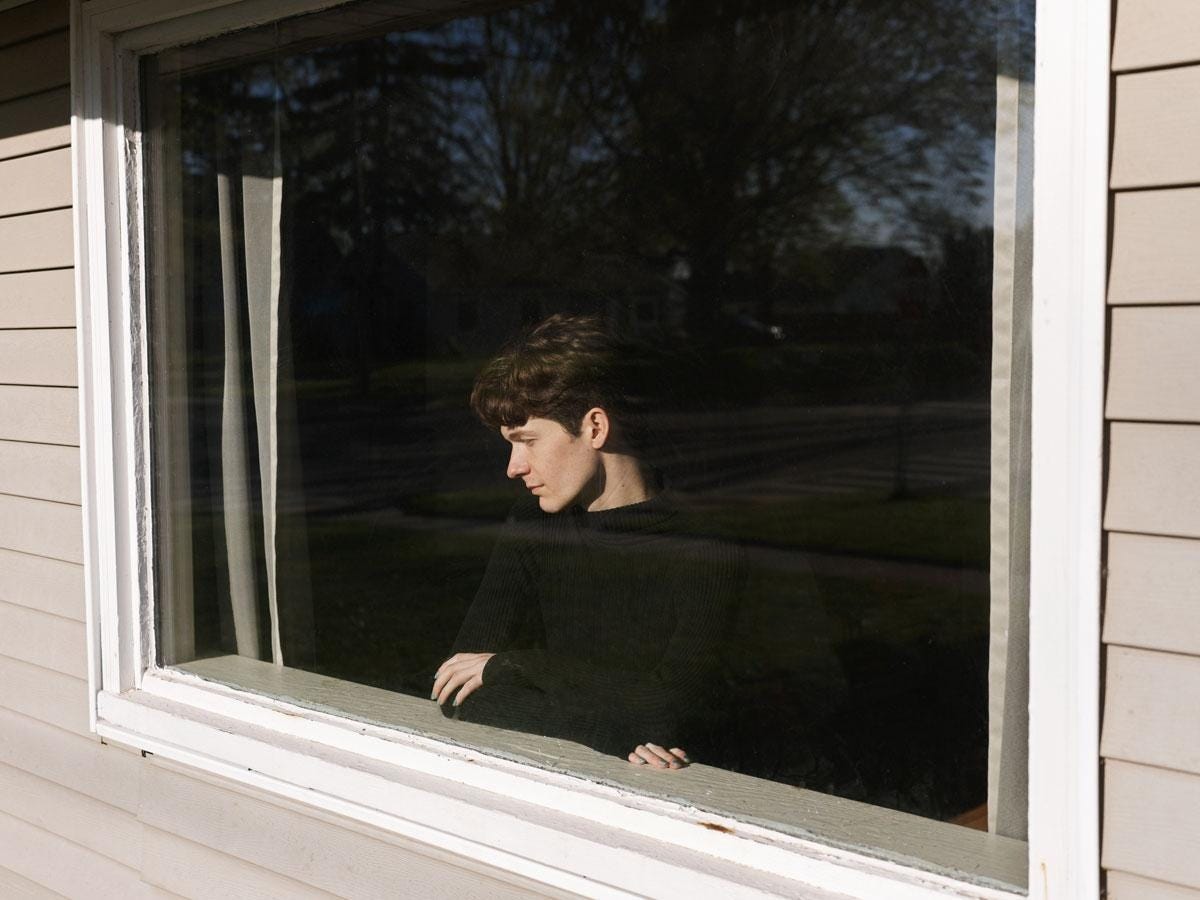
The men in my family recognized I was gay, and treated me cruelly. My brother forcibly shaved my head when I decided to let my hair grow long. My grandfather told the parents of a kindergarten friend that I was a faggot, and it was contagious. In a town that small, his words spread quickly, and I lost friends who didn’t want to touch me in case they caught whatever I had. My uncle changed the channel whenever a gay character came on the TV.
By the time I was 12 and hitting puberty, I hyper-fixated on every small change in my face and body. Every new hair. Every shift in my jawline. I was becoming a man, and that felt catastrophic. I was desperate for a way out. And the internet delivered an answer.
I discovered trans influencers. Makeup gurus I followed began transitioning into women. I watched feminine gay men become trans women and suddenly live what everyone was calling a normal life. The promise was intoxicating in its simplicity.
I was in and out of school because of the bullying, and my autism. By fifth grade, my mom pulled me out of public school and put me in a tiny conservative Lutheran school where fifth through eighth graders shared one classroom. Here, the contempt for gay people I felt at home was ever present. We were taught that evolution was a lie and that any sexual feeling was sinful. When gay marriage was legalized, we spent class discussing how it was a sign of the end-times.
I also knew, from a very young age, that I liked boys. I didn’t have words for it then, and in the world I grew up in, it was considered sinful and shameful.
Because my schooling was inconsistent and I was struggling in class, my mom hired a tutor, who was the daughter of one of her friends. She was a lesbian, and the only other gay person I had ever met, who herself was transitioning female-to-male at the time. She had just started hormones, so I went to her with questions: How did she know this was right for her? She told me specialists would be able to tell if I was really trans or just confused. They could give me whatever help I needed.
When I was 13, I told my mom I thought I might be transgender. Her reaction was one of confusion and fear. She had spent years working nonstop to keep us afloat and taking me to therapy appointments for my autism. She had watched me be bullied, and now my tutor, someone she trusted, told her there could be a medical explanation and treatment for me.
My tutor told us about the gender services program where she was receiving treatment and explained to my mom they were experts who could figure out what was really going on with me. It was four hours away, so my mom and I made the drive.
When we arrived, I sat down with the therapist who was the program manager for the hospital’s gender services program. She asked me to tell her everything, so I shared every worry I had about growing up gay in my community. I told her that I was afraid I would never make friends, because for as long as I could remember most kids wanted nothing to do with me. I told her I was terrified of God’s judgment and of spending my teenage years surrounded by people who hated who I was.
Rather than helping me work through any of it, she affirmed all of my fears. She said she could see why I was afraid of the discrimination I would face. She told me that nowhere would be a good place to be gay for someone like me, because I had a “feminine essence” and gay men wanted men, and that just wasn’t who I was. She said I could transition and fly under the radar as a woman in my hometown. And I could find a man to love me that way.
She then handed me a gender dysphoria checklist, which I filled out on my own. It asked me to rate how I felt about my body, gender expression, and puberty. One question asked about erections: I checked that I was “totally uncomfortable” with them, and then wrote in the margins “I don’t have any yet,” with a little smiley face. I felt embarrassed and out of my depth, pulled into a world of adult decisions I didn’t understand.
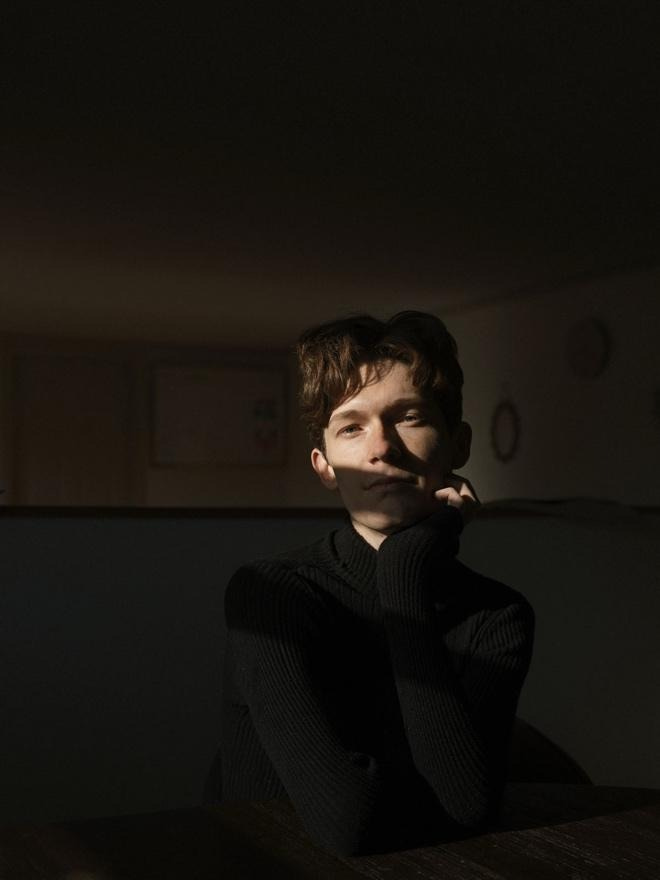
After that appointment, the therapist totaled my score. I got a 53 out of 60, which she described as an open-and-shut case. I was definitely transgender, she said.
She then told my mom that if I matured through male puberty, the prejudice and worsening mental health would be so crushing that around 60 percent of kids in my position would choose to kill themselves rather than live that way. Since then, my mom and I have discussed that appointment at length, and she still remembers that warning. It’s still so emotional for her that she rarely talks about it. My mom had watched me struggle for years—coming home from school in tears, and withdrawing more and more into myself. And here was a professional, in a clinical setting, telling her that the alternative to medical transition was her child’s death. My mom says she was so ultra-focused on the suicide risk that it became her top concern: She just wanted to keep me alive.
The therapist referred me to an endocrinologist, who was also, as it happened, a gay man. At that first appointment my mom asked the question: How do we know Jonni isn’t just gay?
The endocrinologist wheeled over a whiteboard. All embryos start female, he explained. The brain develops first. Sometimes there’s a delayed testosterone release and the brain feminizes—but then the body masculinizes. I was simply born in the wrong body.
My mom began to push back. She said she wanted no permanent changes until I was old enough to consent. The endocrinologist told her, matter-of-factly, that if I wasn’t living in a supportive home, he could find one for me. She’s told me since then that at that moment, she went completely blank. She didn’t want me taken from her.
At that same appointment, they offered to bank my sperm. I didn’t know what that meant or why they were asking. I was a late bloomer in every sense—I had never experienced arousal, and never felt anything that connected me to my own sexuality. What I felt toward boys at that age was emotional, not sexual.
The endocrinologist told my mother, matter-of-factly, that if I wasn’t living in a supportive home, he could find one for me.
Within weeks of that appointment, I was put on two drugs to block my testosterone and start feminizing my body. One was the female sex hormone estrogen. The other was spironolactone—a diuretic originally developed to treat kidney and heart failure that also suppresses testosterone.
The effects came quickly and hit my body hard—I weighed around 100 pounds, and my body struggled from the start. Fainting came first—dizzy spells that arrived without warning. Then a sharp, stabbing pain in my sides.
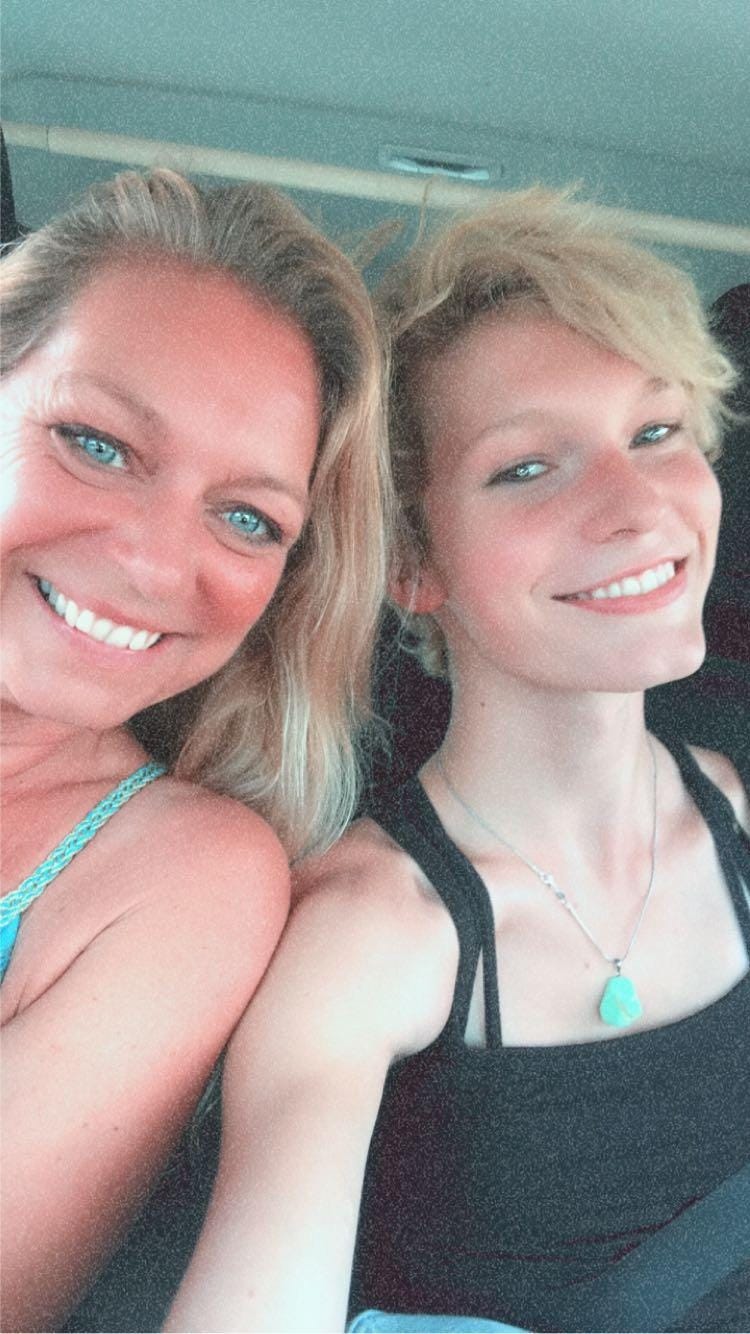
I was still seeing therapists, but they all followed the affirmative model of care—they did not explore where my distress came from. Their job, as they understood it, was to support the medical plan I had been put on. My endocrinologist discouraged me from going back to a traditional school setting, saying I wouldn’t pass as a girl yet and it would be bad for me—so I was homeschooled by my mom and tutor through the rest of seventh grade and all of eighth.
When the men in my family found out I was transitioning, they were, shockingly, completely fine with it. I might have been in agony, but they had a framework they could accept: I didn’t have a shameful attraction to men. I just had a girl’s brain in a boy’s body.
As for me, I didn’t suddenly believe I was a girl. I believed what social media first introduced as a possibility, and what my doctor then told me was reality: that I had a girl’s brain in a boy’s body, that it was a biological condition, and that transition was my only chance to survive.
Just after I turned 14, I got a puberty-blocker implant—histrelin acetate, inserted under the skin of my arm—and returned to school shortly thereafter, where the bullying was worse than anything I’d known before. I had a pixie cut, was using she/her pronouns, and was wearing feminine clothing. Kids threw food at me and taunted me relentlessly.
The pain in my sides grew worse, and I watched what little muscle mass I had disappear entirely. I would get full-body muscle spasms in the hallway—charley horses in my arms and legs and torso that would drop me to the floor mid-stride. I would lose control of my bladder at the same time, convulsing on the ground. I began peeing blood. The Mayo Clinic has listed some of these side effects for spironolactone or histrelin acetate. My endocrinologist cast doubt that any of it was related to the medication I was taking.
At the same time, I developed breasts. I had fluid leaking from my chest—a milky white discharge that soaked through my bra and shirt. When my mom asked my endocrinologist about this, he said, “Welcome to womanhood” and explained it away as lactation. When she raised the incontinence, the dysfunction, and the pain, he said none of it could possibly be related to the medication. When my mom sought a second opinion, every other doctor she found said the same thing: We don’t know enough about this; consult the specialist. The top specialist in the state was already my doctor.
At 17, I called my endocrinologist in despair: The hormones were making me sick, and my life wasn’t improving. He dismissed my concerns and brushed off my distress, telling me I had chosen this. I never spoke to him again.
At first, I didn’t realize I had been robbed of my ability to orgasm.
The endocrinologist had told me—when I was just 13 years old—that estrogen would make sexual experiences better. But I had no reference point. I began transitioning so young that I’d never had any sexual experiences. It wasn’t until I was 18, when I started sleeping with men, that I realized something was deeply wrong. Their bodies responded in ways mine didn’t; they got erections easily, clearly felt turned on, ejaculated, and orgasmed. I felt almost no drive, and when my body tried to respond, any partial erection was so painful it felt like broken glass. No matter what we did, there was never any climax for me.
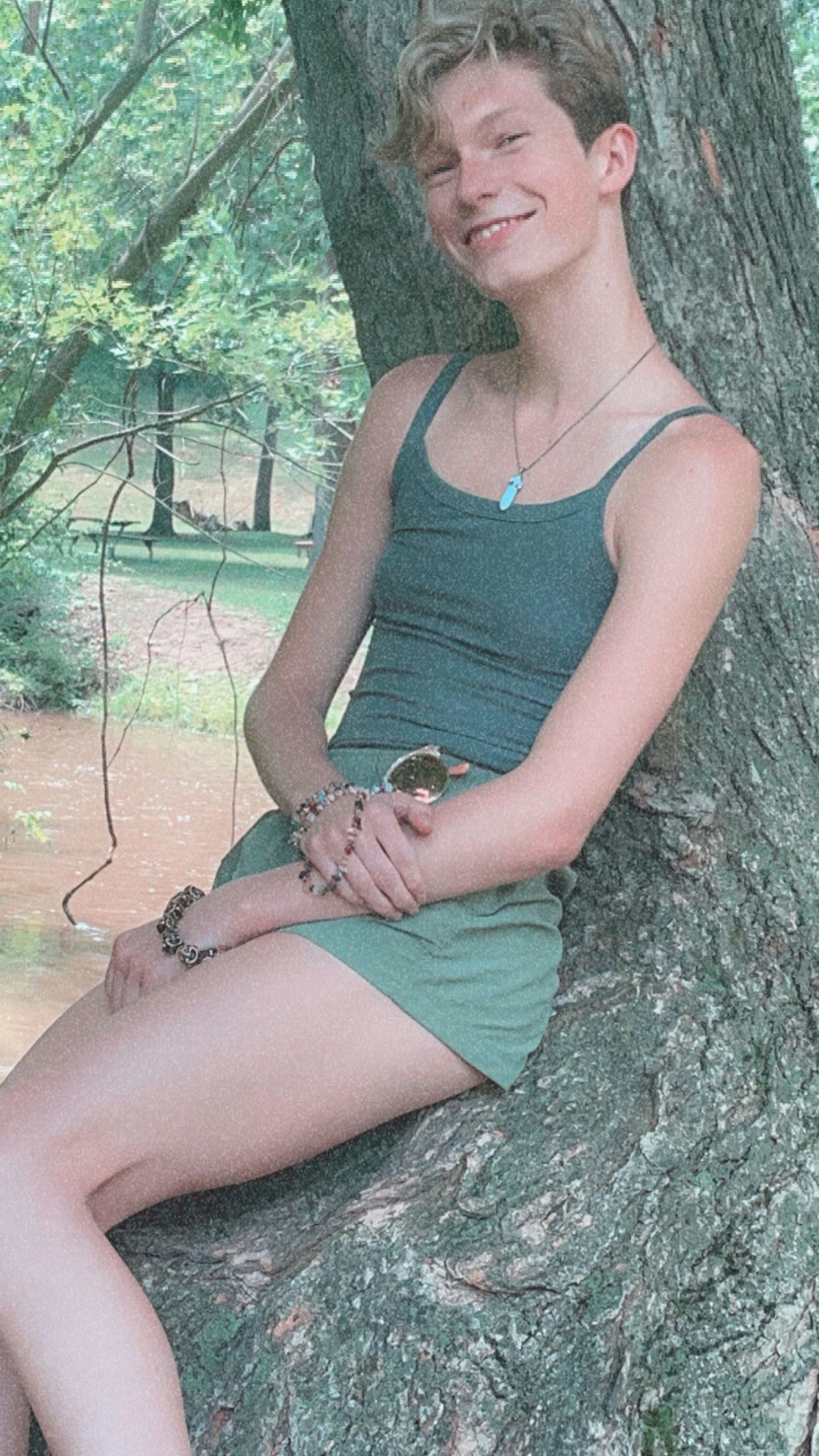
Doctors compared my experience to women who don’t easily orgasm. What none of them ever told me was that the combination of puberty blockers and cross-sex hormones had effectively chemically castrated me. It appears that by suppressing testosterone before I ever went through puberty and flooding my body with estrogen in its place, they had permanently destroyed my capacity for sexual function before I was old enough to understand what sexual function even was.
After high school, I began working at a café and started encountering gay people whose lives felt like mine. It was like looking into a black mirror: Their childhoods were mine, their interests and experiences were mine—the only difference was they had been allowed to grow up, go through puberty, and find their crowd.
I began seeing a new endocrinologist soon after, and she tweaked my regimen over the next few years: lowering my estrogen, stopping progesterone, pulling me off spironolactone because its diuretic effects were compounding my symptoms and switching to a different testosterone blocker. But the symptoms only got worse. By the time I turned 21, I had grown so sick that my doctor sat me down and said she didn’t know what was happening to my body. I was the youngest patient she’d ever seen medicalized this way, by far. She suggested coming off the hormones.
“Why don’t you take a break?” she said. “See what happens.”
What none of them ever told me was that the combination of puberty blockers and cross-sex hormones had effectively chemically castrated me.
I panicked. The truth is, I still believed I had a female brain in a male body. I wasn’t ready to let go of the only explanation I’d ever been given for why I was the way I was. So even as I was trying to get off the hormones, I would spiral into fear and take a dose here and there. Gradually, painfully, I weaned myself off. I experienced night sweats so bad I could wring out my sheets—doctors compared what I was going through to menopause. My lymph nodes swelled, and I began developing painful lumps in my bones that doctors still do not fully understand.
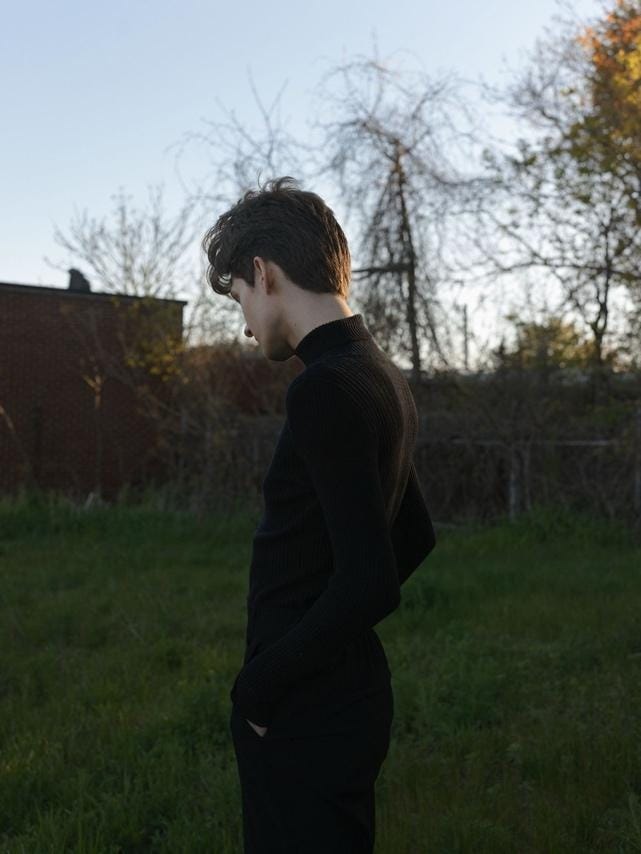
And then, in early 2024, I came across the WPATH files—leaked internal documents from the World Professional Association for Transgender Health, the organization whose guidelines had governed my entire treatment. What I found inside was devastating: documentation that the people setting the standards for pediatric gender medicine had serious internal doubts about the evidence base for what they were recommending—and had never disclosed those doubts to patients or families like mine.
A third of my life was a lie. And my body, permanently altered, was the proof.
My voice is only now, finally, beginning to drop. I have wide hips, and breasts, which were a full B cup when I came off estrogen. They have since reduced to an A cup after some fat redistribution, but if I want a flat chest, I will need a double mastectomy. I still experience urinary incontinence and am doing pelvic floor physical therapy to manage it. I don’t know if I will ever orgasm.
And I don’t know if I will ever find a partner. Now that I’ve de-transitioned and I am living as a gay man, finding community has been difficult. Gay men see my body and assume I’m a trans woman. They aren’t attracted to me, and I don’t blame them.
Every single one of these consequences was caused by “treatment” I received as a child. Somewhere right now there is another child who feels alone. He’s finding the same content online that I found. He’s being told the same thing I was told: that the only way to survive is to become someone else.
California wants to pass a bill that could effectively penalize clinicians who do anything but affirm a young patient’s belief that they are trapped in the wrong body. It would put at legal risk exactly the kind of therapist I needed—one who might have helped a 13-year-old accept his sexuality instead of changing his body. By doing this, we are not protecting these lonely, confused children. We are not asking why they are suffering. We are affirming their fears—all under the guise of care. And now we want to make it harder for anyone to ask the questions that might save them.
There was nothing wrong with who I was. There was something wrong with the world I grew up in. Instead of helping me survive it, the medical system changed my body to fit it. That is not medicine, and it’s not compassion. That is a failure so profound that I will be living with the consequences for the rest of my life.
I never got to live my life as myself. I’m only just beginning, at 23, to find out who that is.
As told to Madeleine Long.


Leave a comment