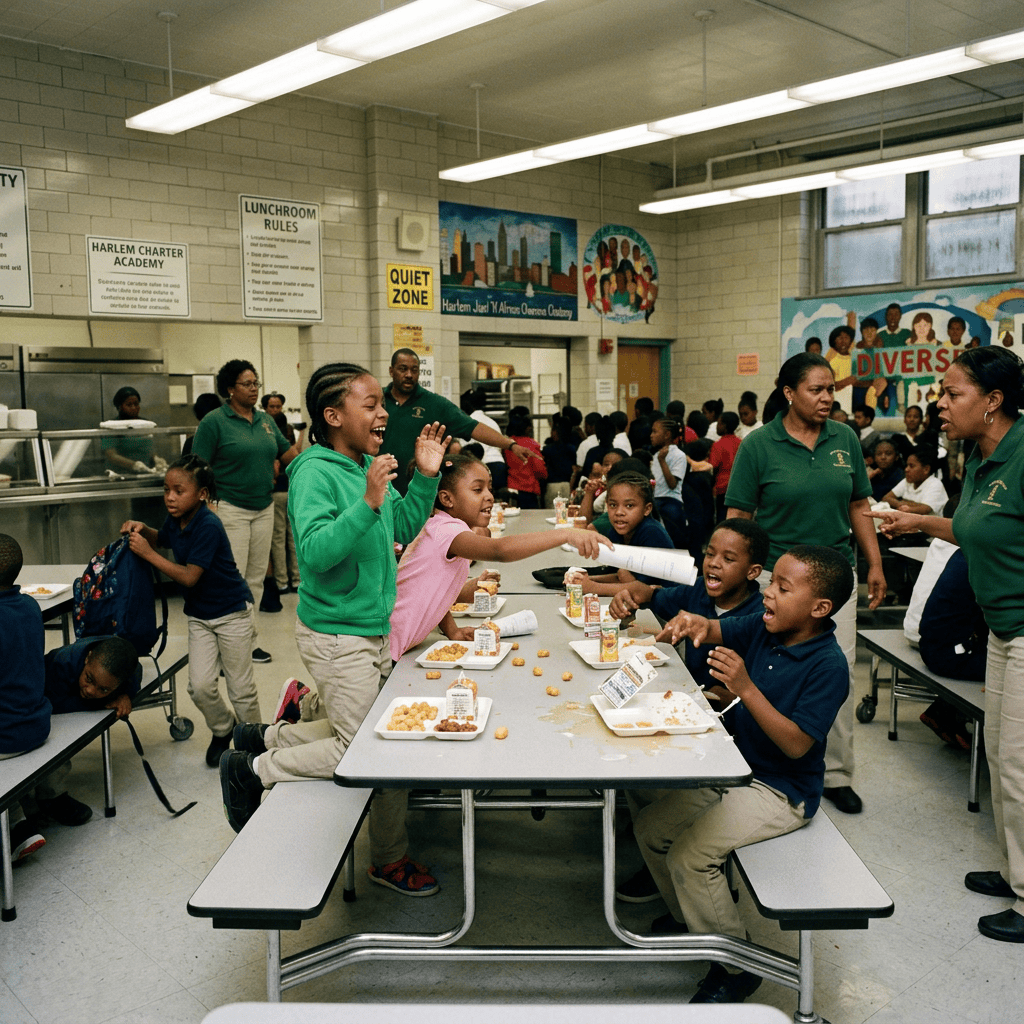
By Adam B. Kushner – Sept. 20, 2026 – The New York Times
I’m the editor of The Morning. I used to be the education editor at The Washington Post.
Good morning. One of the most challenging decisions parents face is where to enroll their child in school. Today we look at how one mother approached that choice.
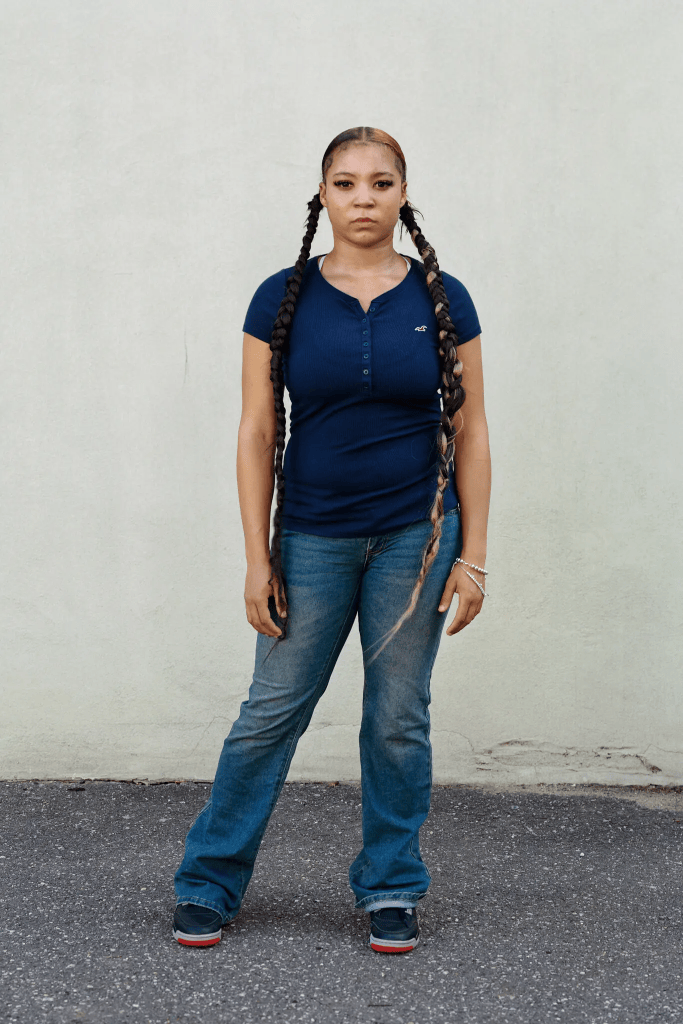
Najya Hannah-JonesCredit…Wayne Lawrence for The New York Times
A decade ago, Nikole Hannah-Jones made an astonishing choice. She would not send her daughter to kindergarten at one of New York’s selective elementary schools (largely populated by wealthy, white children). Instead, Najya would attend a segregated, high-poverty school. Parents usually claw at every possible advantage for their children. But Nikole argued in an essay for The New York Times Magazine that the only way to lift up the city’s segregated schools was to enroll in them.
The idea made a big impression on me. My family had sent our oldest child to an unremarkable D.C. public school, and we planned to stay. We were part of the community, and that was our civic obligation. We got involved, we lobbied for better instruction, we helped raise money. Maybe you can’t improve a system by leaving it, but it turned out that joining it didn’t work either: By the time our son was in fourth grade, he was on level with his peers — and well behind where my wife and I had been growing up. We’d just had a third child. We moved to a nearby suburb feeling like we’d betrayed an ideal.
Nikole stuck with it, though — until Najya began wondering, in middle school, why her education was subpar. What happened nextis the subject of today’s cover story in The Times Magazine. I spoke to Nikole about it.
Adam: After your 2016 piece, some readers said you were sacrificing your daughter’s future on the altar of your principles. I wondered if I was doing the same thing.
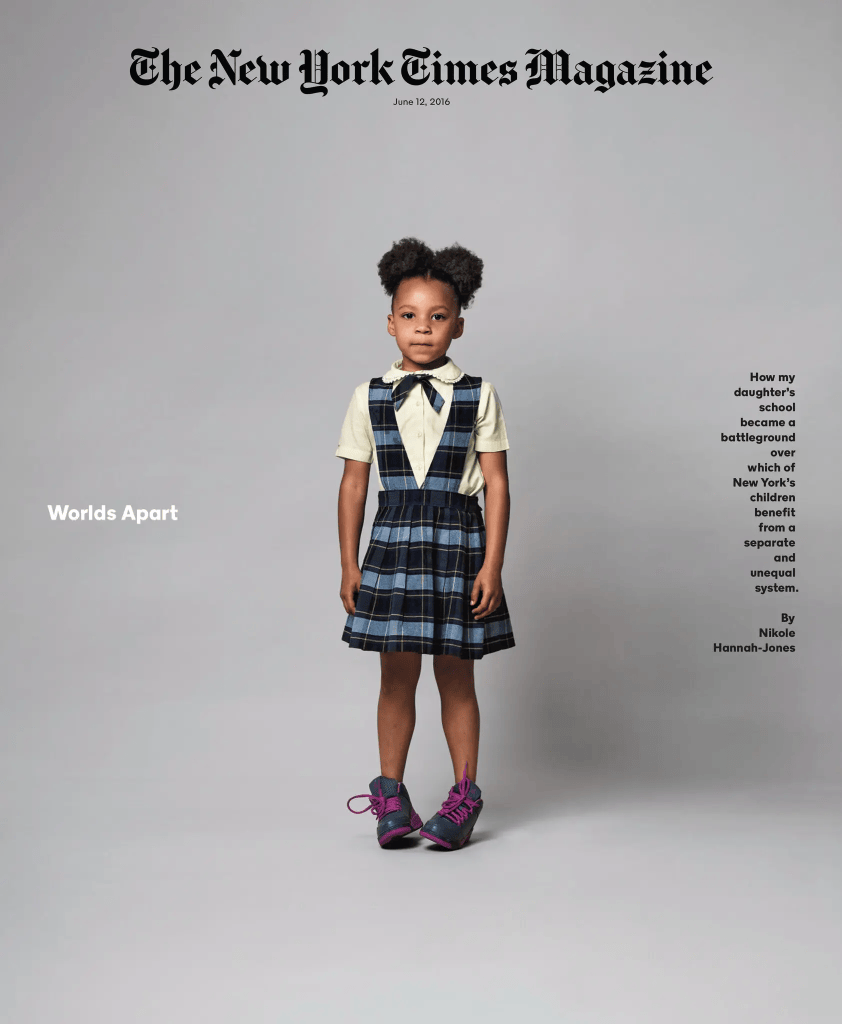
Najya on the cover of The New York Times Magazine in 2016.Credit…Photograph by Henry Leutwyler
Over the years, you pushed her schools to keep high standards, sometimes with frustrating results. Then your daughter confronted you in seventh grade. What did she say?
She was thinking of high school and college, so she’d looked up her middle school and saw its test scores and ranking. She asked: Did I know that it was bad when I chose to send her there? Why would I do that?
Was she right?
It’s very hard for a 12-year-old to put her experience in a larger context of inequality and injustice. That middle school serves the kids who show up at its doors, even if they have disabilities, behavior problems or academic gaps. Educators were doing their best in an immorally unequal system.
Did she get your argument?
In her mind, just because other kids are suffering and there’s inequality doesn’t mean she has to suffer. She told me: “I had to live through the school. You didn’t.” She believes I was trying to help all these other kids when she should have been my primary interest. She is, and has been! But she doesn’t see it that way, and I understand why.
You say you judged people who professed to believe in equality but wouldn’t do something about it. Then it became clear, as you write, that “my daughter’s sacrifice could not transform a system that those who hold the most power refuse to change.” What’s your advice for parents now?
I don’t know! This experience has been so humbling to me. I hope there are still parents willing to try. But I also know, and have always known, that individual parents cannot transform the system. So it’s also important to create a political will for integration policy.
When it was time to apply for high school, Najya targeted the sort of selective schools that you argue reinforce segregation. How did she make her case to you?
“I want to go to the best public school,” she said, and she didn’t care about the racial makeup of the school. She wanted to go to a great college. She often said she wanted to be a doctor. She believed the education she’d received thus far wouldn’t prepare her for all that. Of course, I’m excited and grateful I have an ambitious child who wants the best education. I’m proud of her. But all children deserve these opportunities, not just those who get them because of the accident of their birth.
She applied, and got in, to a competitive public high school. As the parent of a teenager, I’m awed by her industry, her force of will. How’d it go at her new school?
Culturally, it was very difficult for Najya, and she thought of leaving in the first weeks. And the academics were challenging. She wasn’t used to the workload, the rigor of the curriculum. Intellectually, she could handle it, but she didn’t have the study skills yet. But given the proper supports, she was able to catch up quickly.
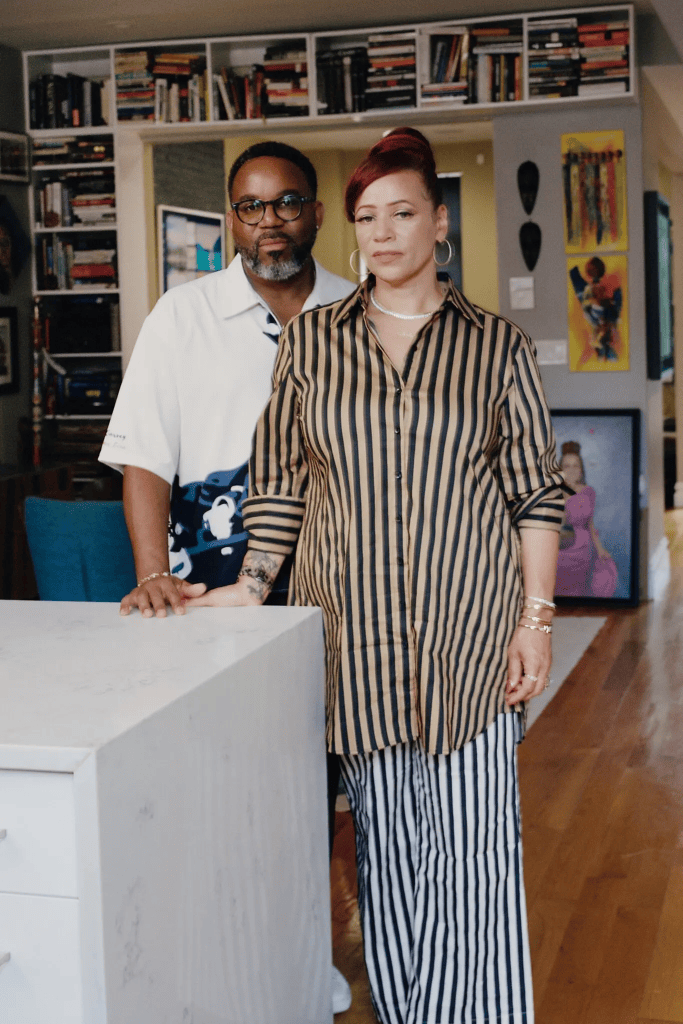
Nikole and Faraji Hannah-Jones at home in Brooklyn.Credit…Wayne Lawrence for The New York Times
You write honestly — wrenchingly — about the cost of your convictions: “I felt overcome with regret.” Najya “looked to me to protect her, to give her what she needed to thrive. And I had not chosen her.” It’s not my place, but I absolve you. What else can a family do about injustice?
Even a New York Times reporter who covers school segregation was no match for this system of inequality, not even in one elementary school. You cannot expect parents alone to change the system. Politicians and policymakers have to do it. Still, my biggest fear in writing this piece is that people will feel like it gives them a license not to try.
Najya is 16 now. How does she feel about you telling this story?
I asked her permission to report it in the first place, and then I asked if she wanted to be photographed for the story. She’s angry about the choices that my husband and I made, and she wanted to have her say. Did she really want people to know she had failed algebra after middle school? Her answer impressed me: “Well, it’s true.” But when I showed her a draft, she didn’t feel I was hard enough on myself. So I tried to capture the conflict. In the years since my original essay, I’ve moved through the world with the unearned valor of people commending me for the strength of my choice. Now I felt I owed it to her to tell the truth.


Leave a comment