As Joe Friday of Dragnet used to say: Just the facts Ma’am. Not anymore. Now the Libs say: To hell with the facts, what matters is the narrative.
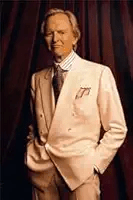
Tom Wolfe pioneered New Journalism in the 1960s/70s, a style that applied fiction-writing techniques to non-fiction reporting. It moved beyond standard, objective news to create immersive, narrative-driven stories using detailed scenes, realistic dialogue, point-of-view, and intensive “saturation” reporting to capture the cultural “status” details of American life.
Key aspects of Tom Wolfe’s New Journalism include:
- Literary Techniques: Instead of the inverted pyramid style, journalists utilized scenes, character development, and internal monologues to make stories read “like a novel”.
- Saturation Reporting: Writers spent extensive time with subjects, collecting deep, minute, and observable details rather than relying solely on quick interviews.
- Subjectivity & Personal Voice: Unlike traditional, detached reporting, New Journalists often included their own perspectives or the subjective experience of their subjects.
- Focus on Lifestyle/Culture: The movement often explored counter-culture, popular culture, and social scenes, exemplified by works like The Kandy-Kolored Tangerine-Flake Streamline Baby.
- Stylistic Innovation: Wolfe famously used vivid, eccentric prose, including onomatopoeia, multiple exclamation points, and italics to convey the tone of his subjects.
Other notable practitioners often associated with this movement include Truman Capote, Gay Talese, Joan Didion, and Hunter S. Thompson.
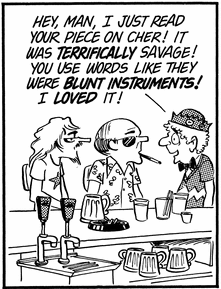
Hunter S. Thompson caricatured as Uncle Duke in Doonesbury. I was a faithful reader of this cartoon strip for years. Sadly it became so blatantly left-wing political and humorless I eventually lost interest.
 Lord Buckbeak: "Will you come into my parlor?," said the Spider to the Fly.
Leave a comment