President Donald J. Trump – The White House – whitehouse.gov
1754-1763
French & Indian War
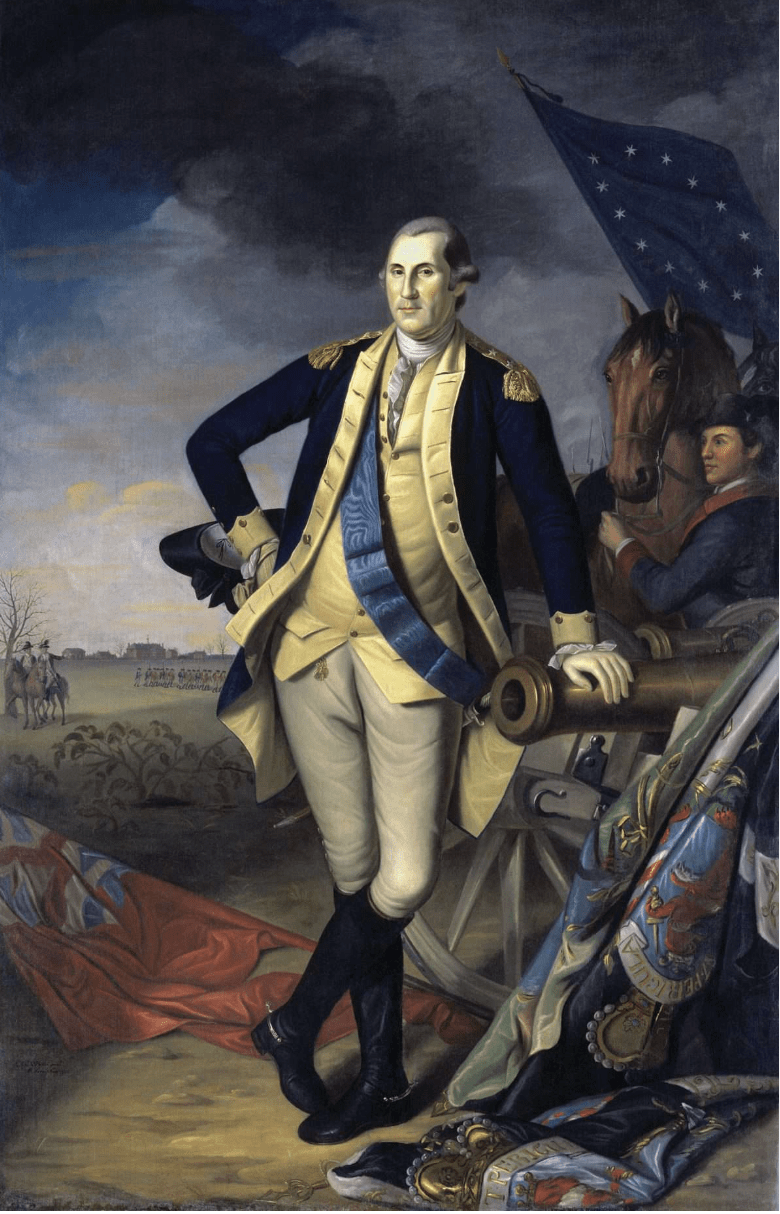
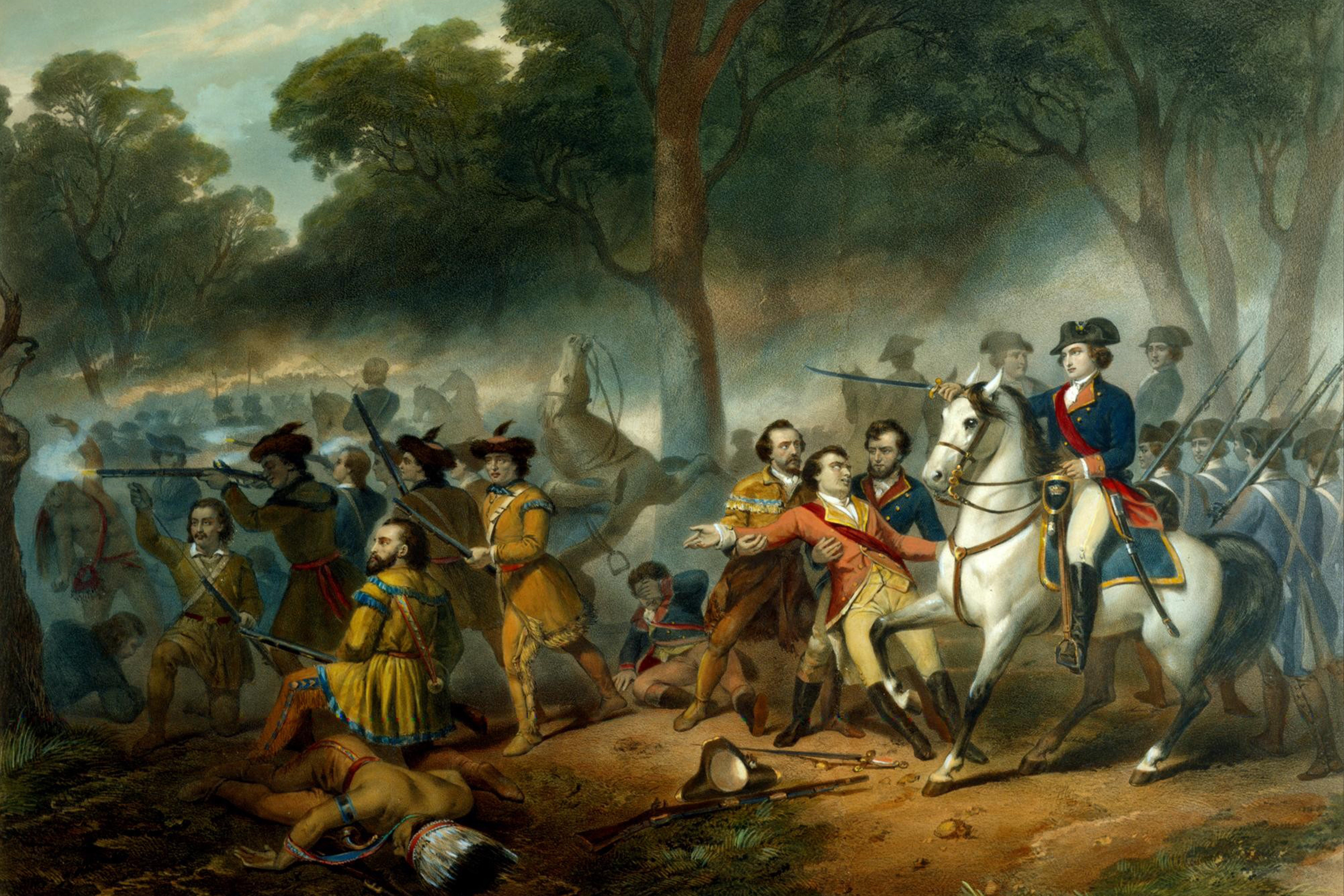
Despite its misleading name, this conflict (also known as the Seven Years’ War) was a war between the French and the British, from 1754 to 1763, throughout what is now the American Northeast, for control over the Ohio River Valley and eventual westward expansion.
1765
Stamp Act
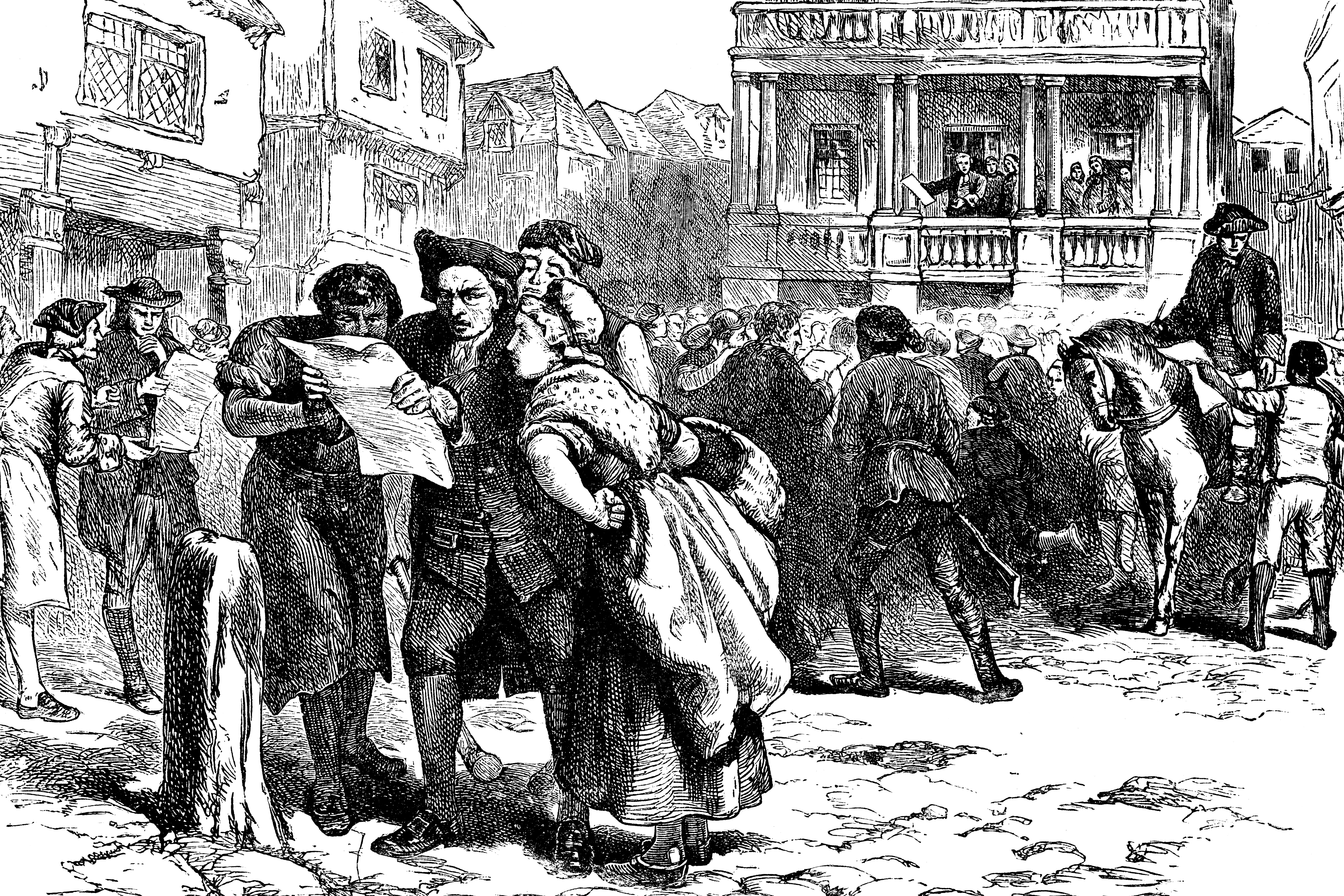
In 1765, Britain faced a major financial crisis. After nearly a decade of war with France over control of North American territories, the empire had won vast territory east of the Mississippi River—but almost doubled their national debt.
March 5, 1770
The Boston Massacre
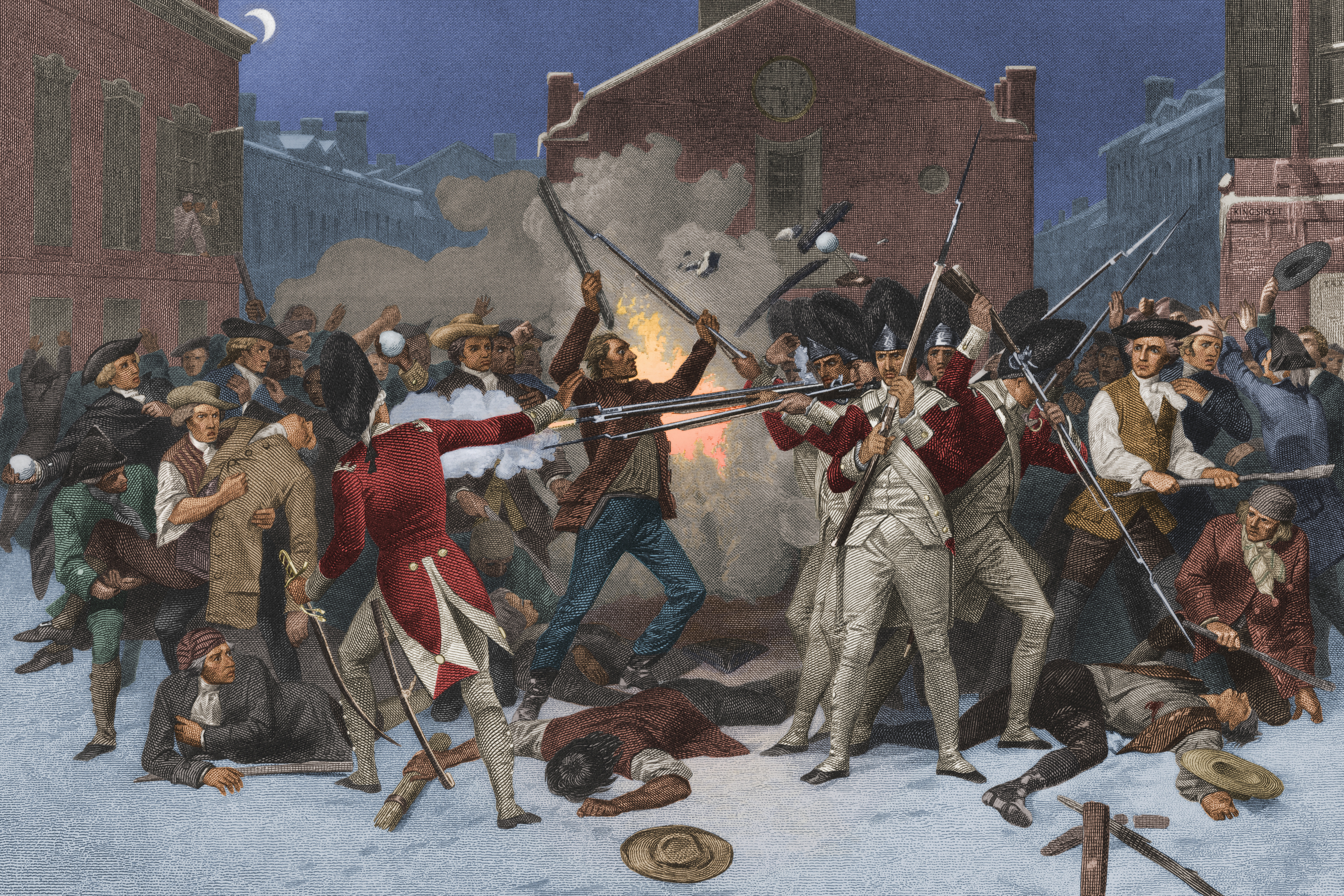
Tensions grew between Patriots and British soldiers in the years following the French and Indian War. In 1767, the British Parliament passed four acts known as the Townshend Acts, which included duties on lead, glass, paper, paint, and tea imported by the New World.
December 16, 1773
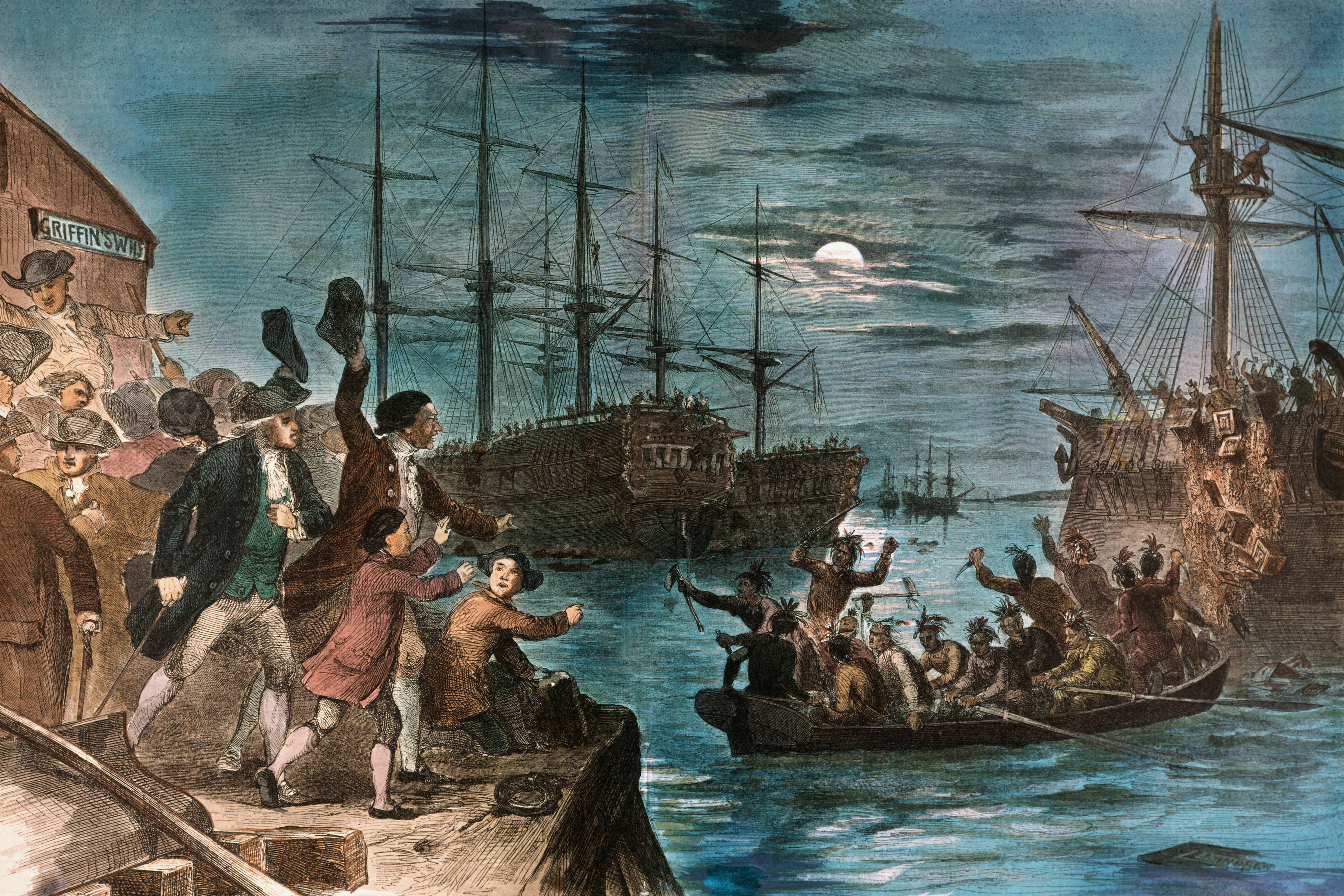
Boston Tea Party
On May 10, 1773, the British Parliament passed the Tea Act effectuating Prime Minister Lord North’s wish to salvage the struggling East India Company and increase revenue for King George III’s government. Through the Act, British Parliament permitted the Company to sell their tea…
1774
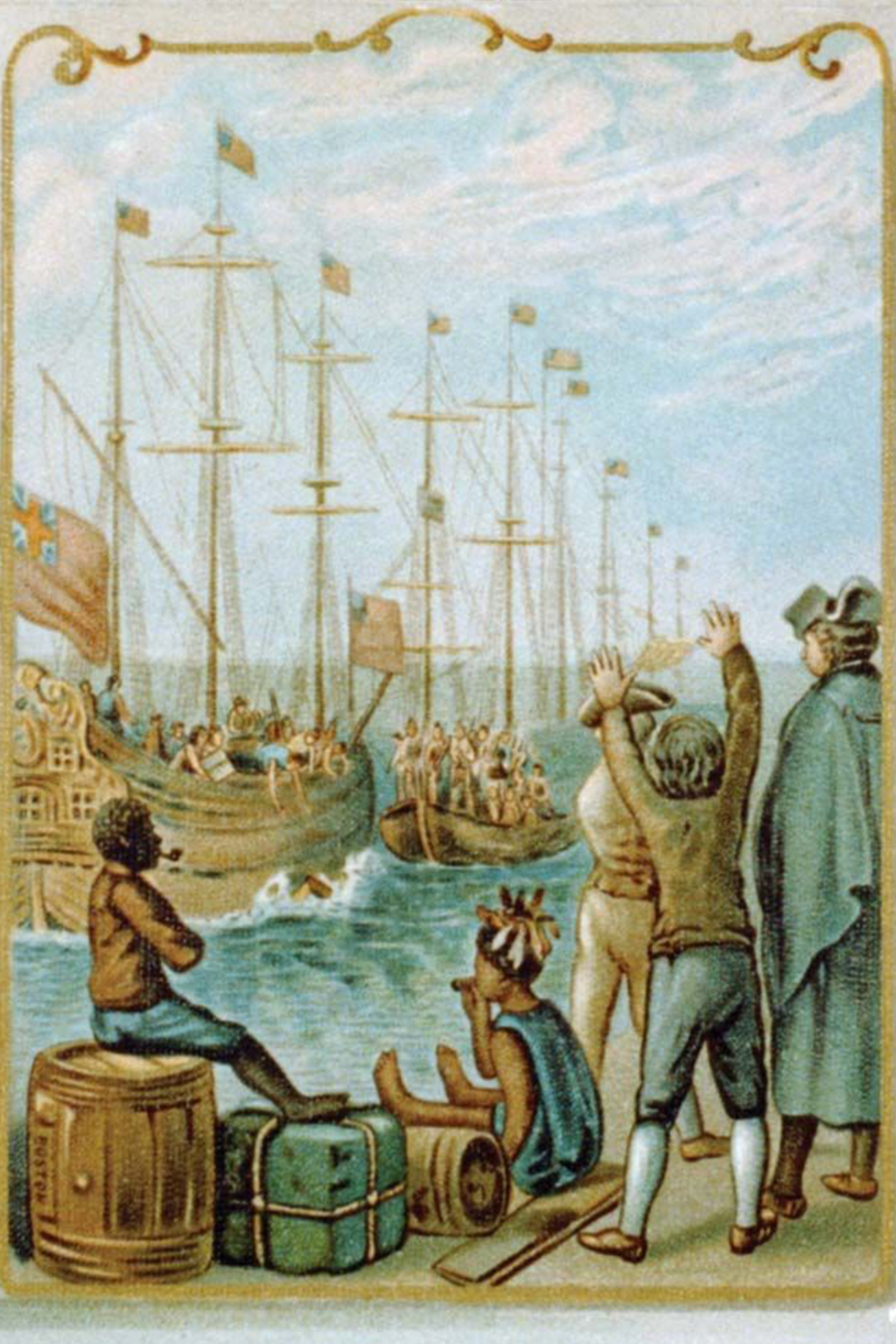
Intolerable Acts
After Britain won the French and Indian War, it faced massive debt, both due to the war and due to multiple other factors, such as debts resulting from ongoing conflict with neighboring Spain. For this reason, British Parliament voted to tax their American colonies, telling colonial…
1774
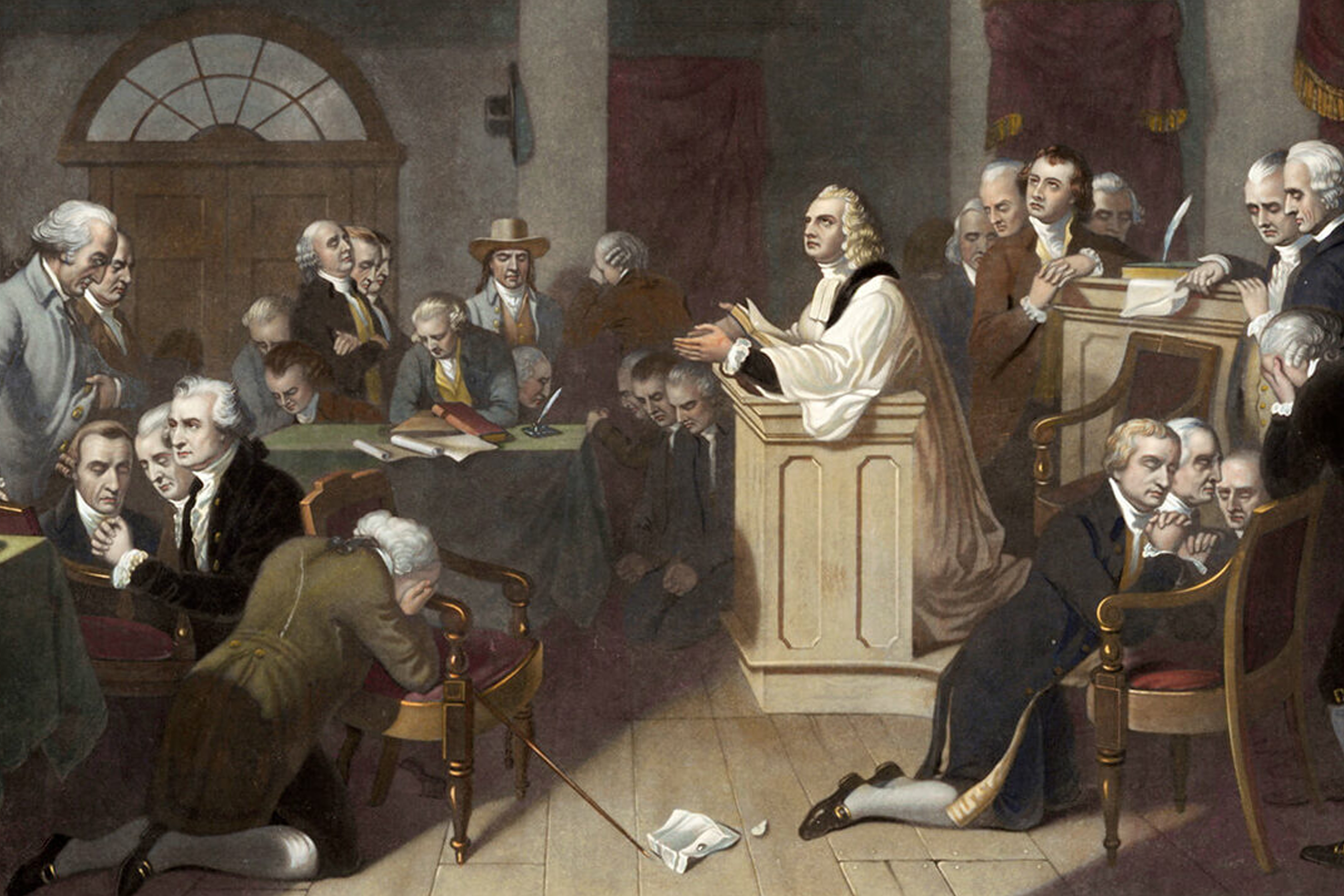
First Continental Congress
On September 5, 1774, the First Continental Congress convened at Carpenters’ Hall in Philadelphia, Pennsylvania, to voice their opposition to British tyranny and establish principles common to all the colonies, including life, liberty, and property.
March 23, 1775
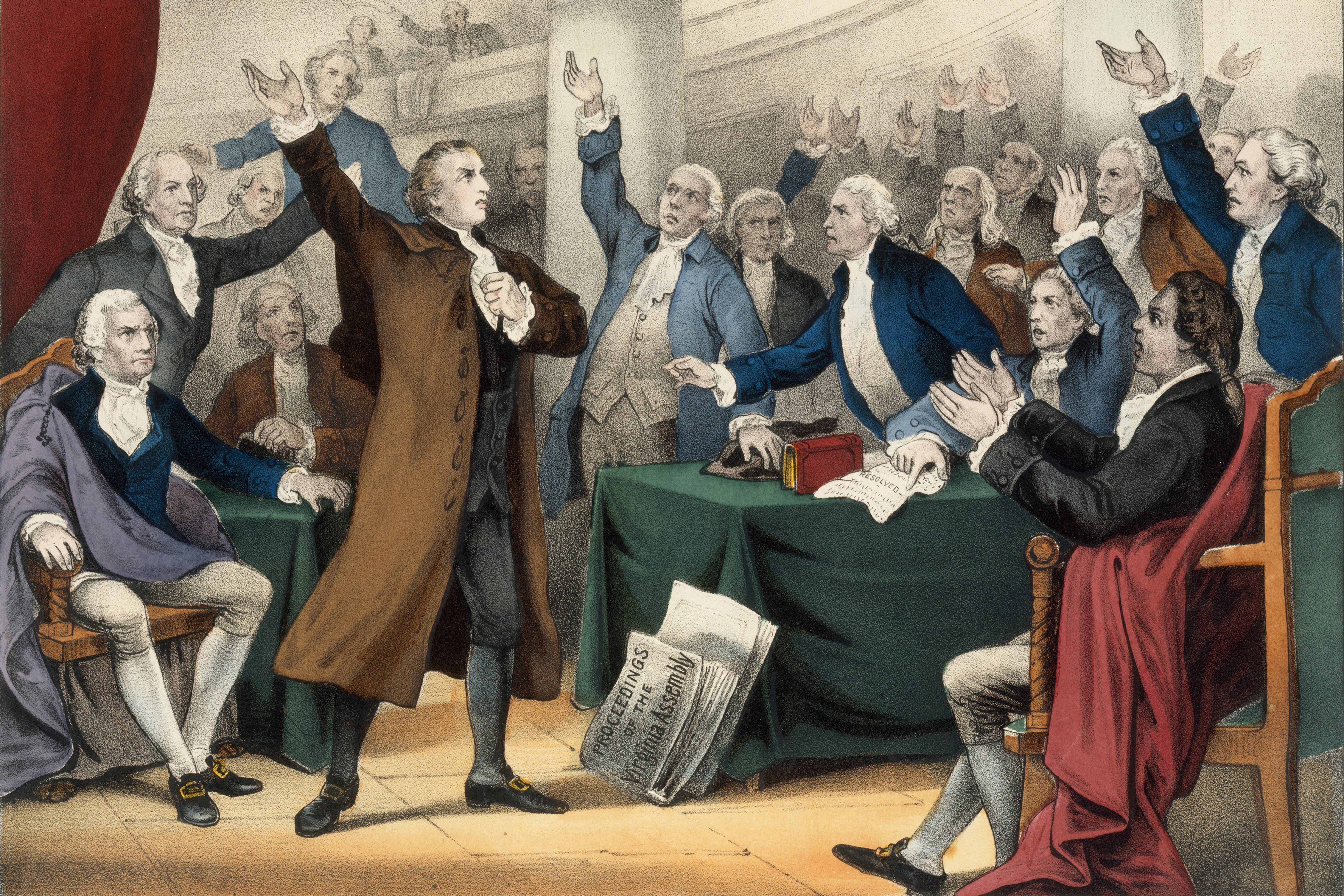
Patrick Henry’s “Give me liberty, or give me death” Speech
Following the increasingly tyrannical actions of the British government, including the Boston Massacre and British Parliament’s imposition of the Coercive Acts, which colonists called “The Intolerable Acts”, the Second Virginia Convention assembled in 1775 to deliberate the future…
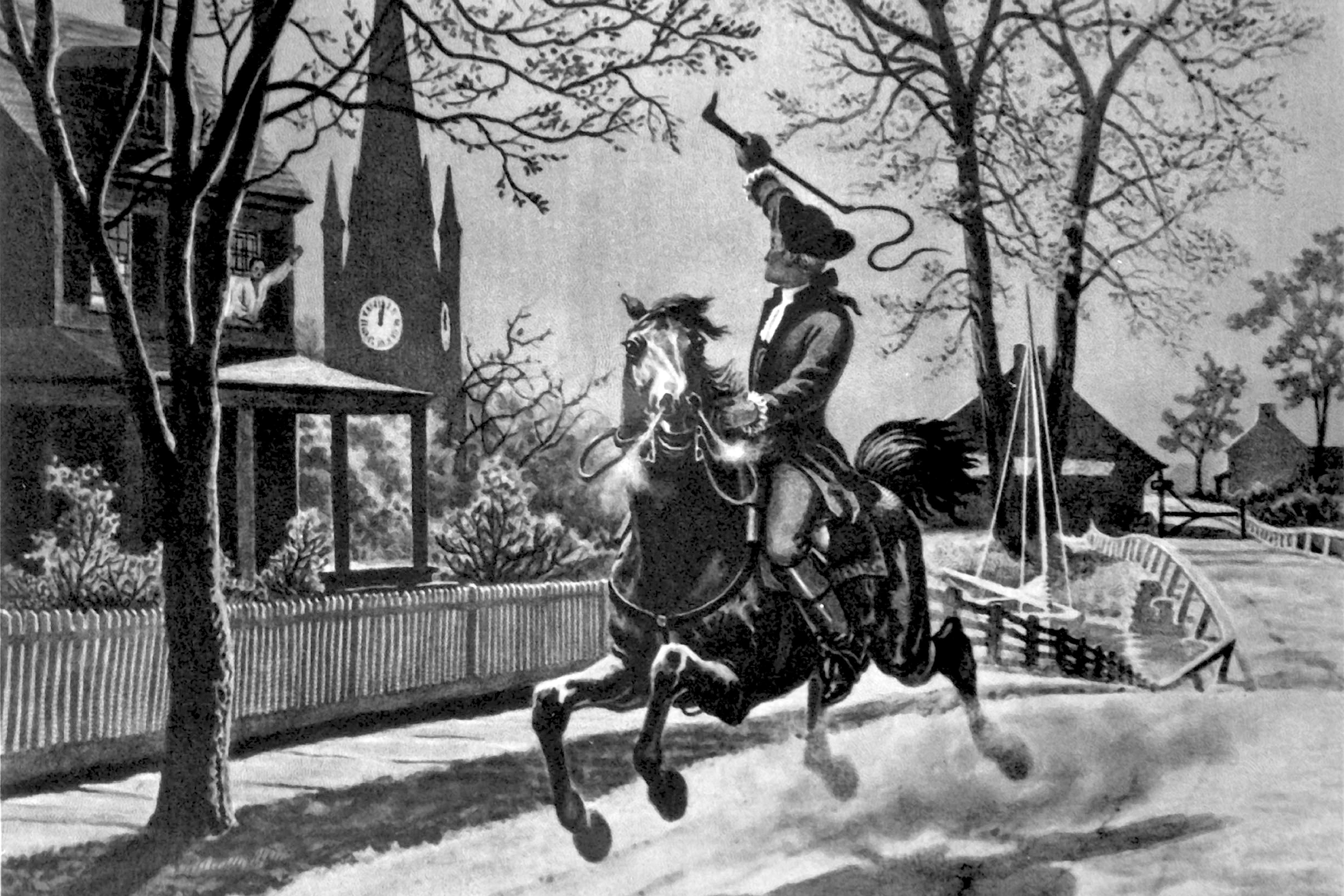
April 18, 1775
Paul Revere’s Ride
Paul Revere, a Boston silversmith and committed patriot, was a member of The Sons of Liberty, which among other things, gathered intelligence and tracked British military movements. Working with Dr. Joseph Warren, Revere passed vital information to Patriot groups to protect…
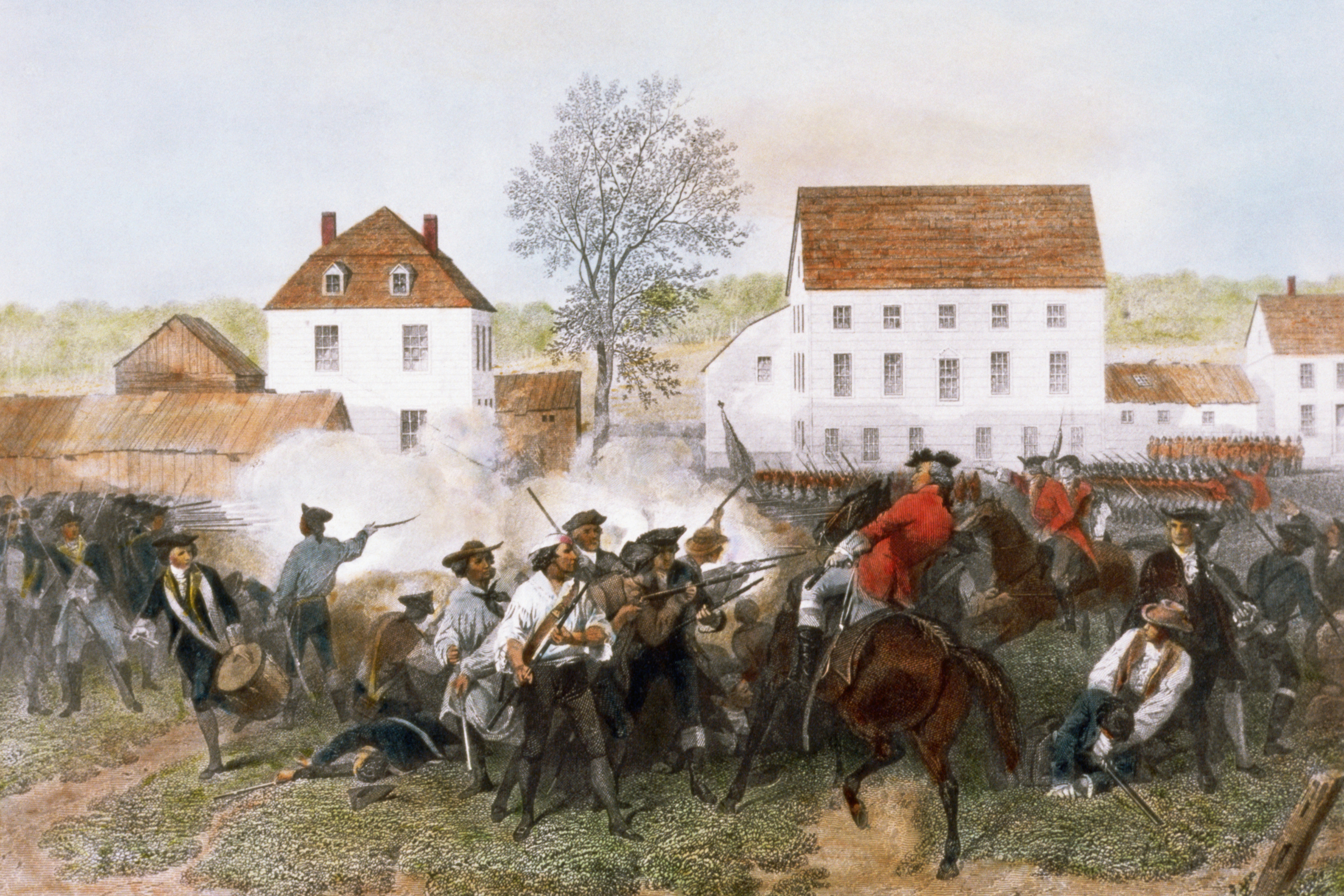
April 19, 1775
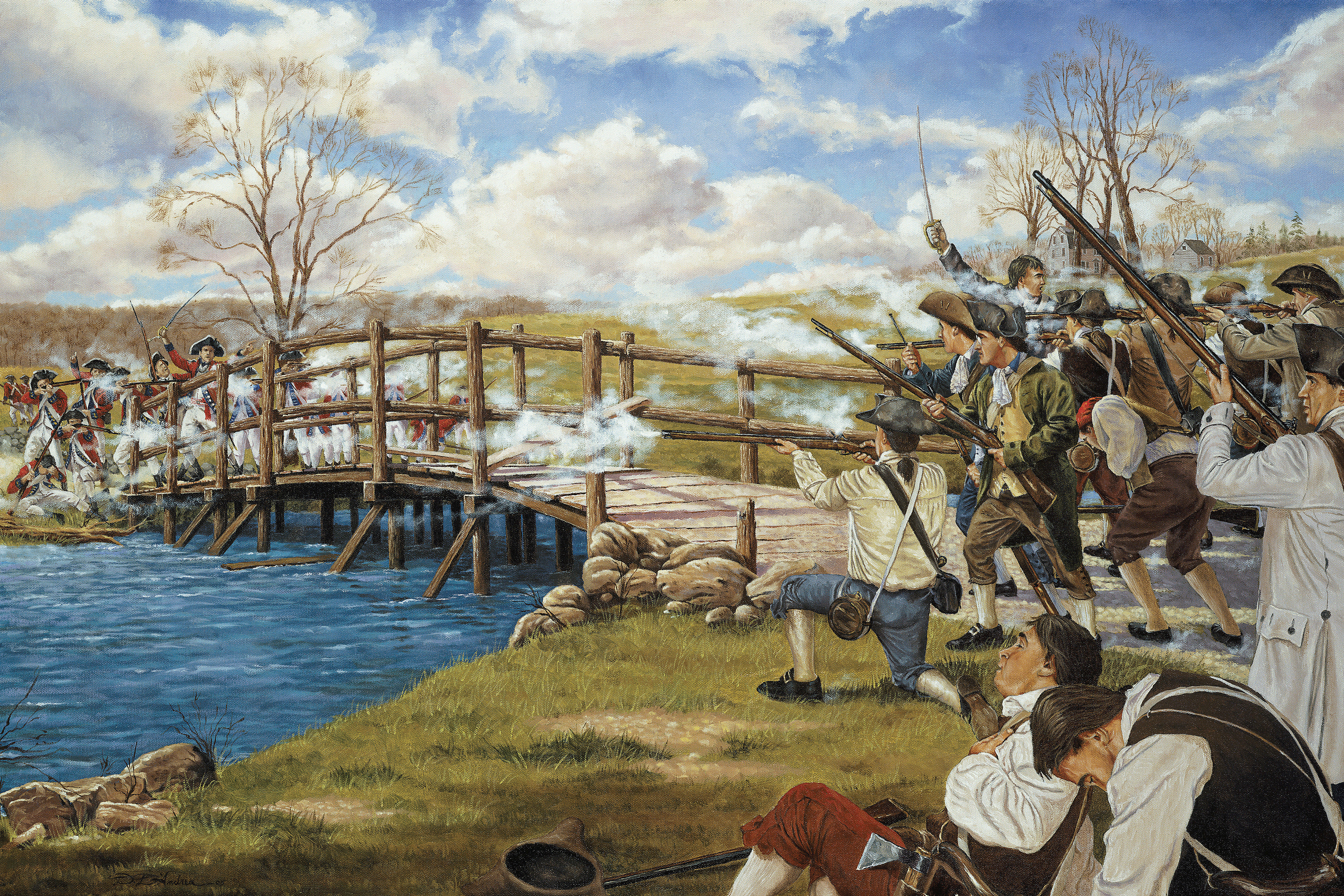
Battles of Lexington and Concord
After years of intensifying hostilities between the British monarchy and the colonists, the prospect of war became inevitable. With Paul Revere’s fearless warnings that the British were marching to Concord to seize American arms, the local Minutemen–the armed militias formed…
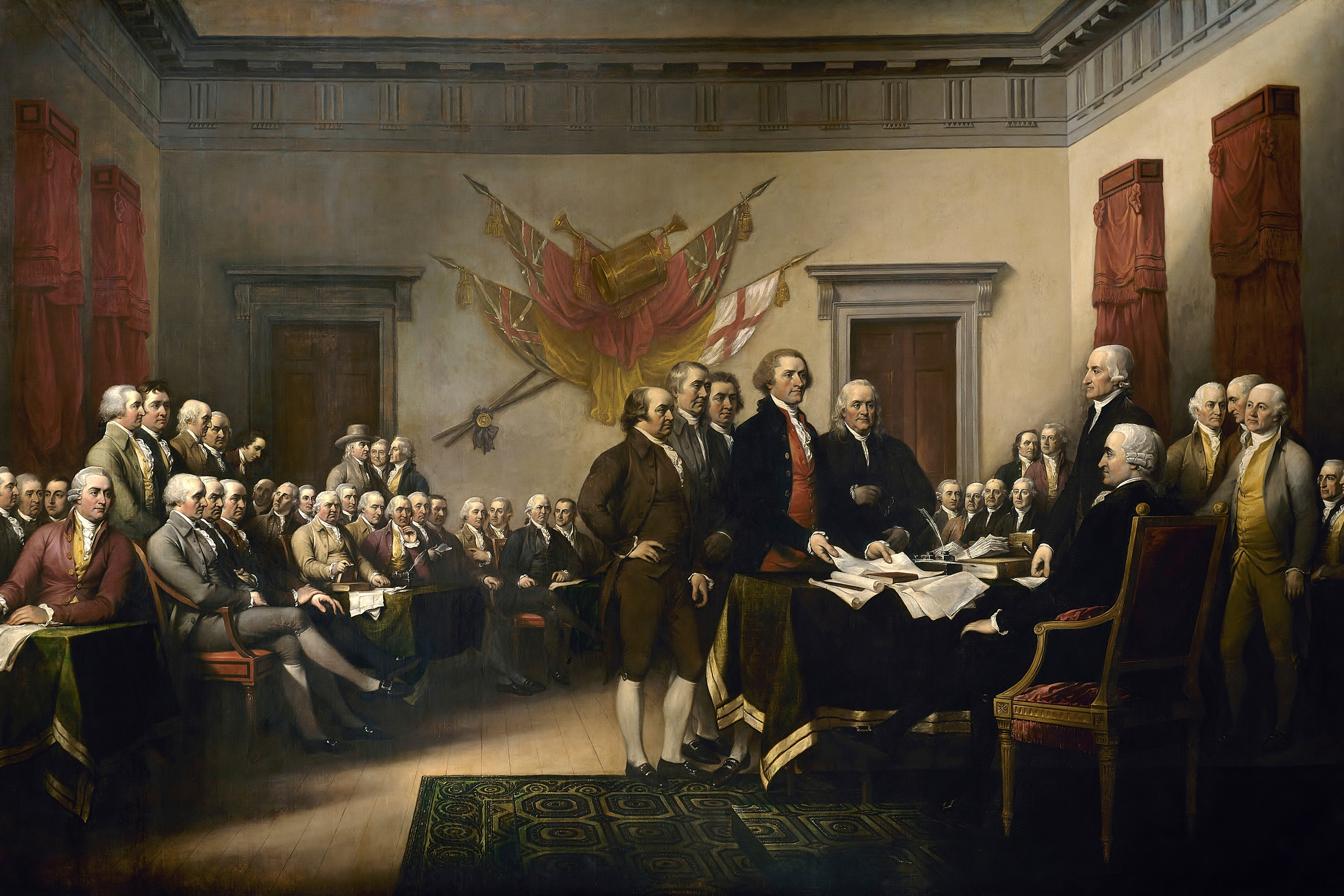
July 4, 1776
Adoption of the Declaration of Independence
The Declaration of Independence, adopted by the Continental Congress on July 4, 1776, is one of the most beautiful and important political documents in history. Written primarily by Thomas Jefferson, the Declaration not only proclaimed American independence from Great Britain…
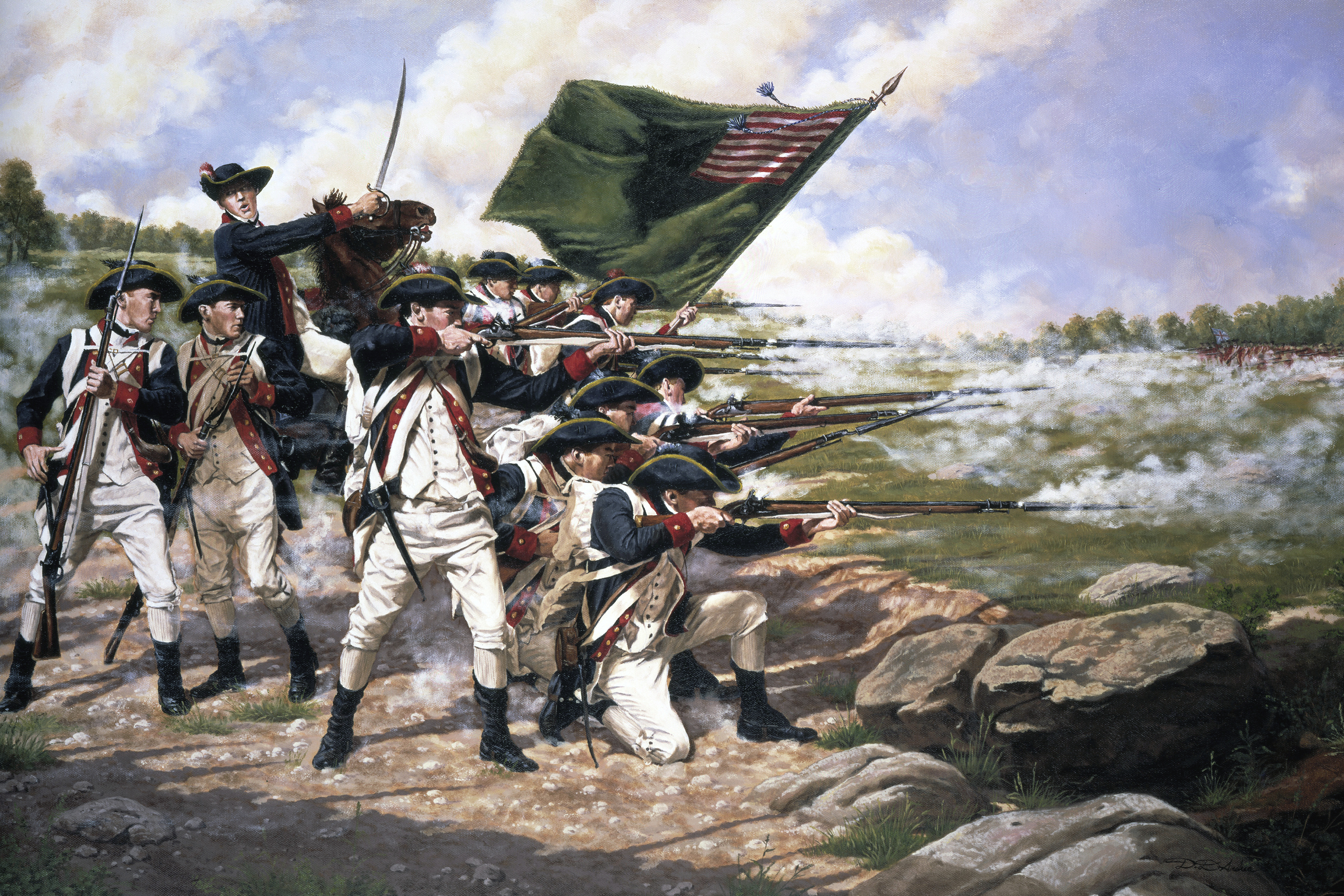
August 27, 1776
Battle of Brooklyn
The Battle of Brooklyn was the first major conflict to take place after the Second Continental Congress declared independence from Great Britain and, in terms of troop deployment, it was the largest battle to take place during the entire Revolutionary War.
December 26, 1776
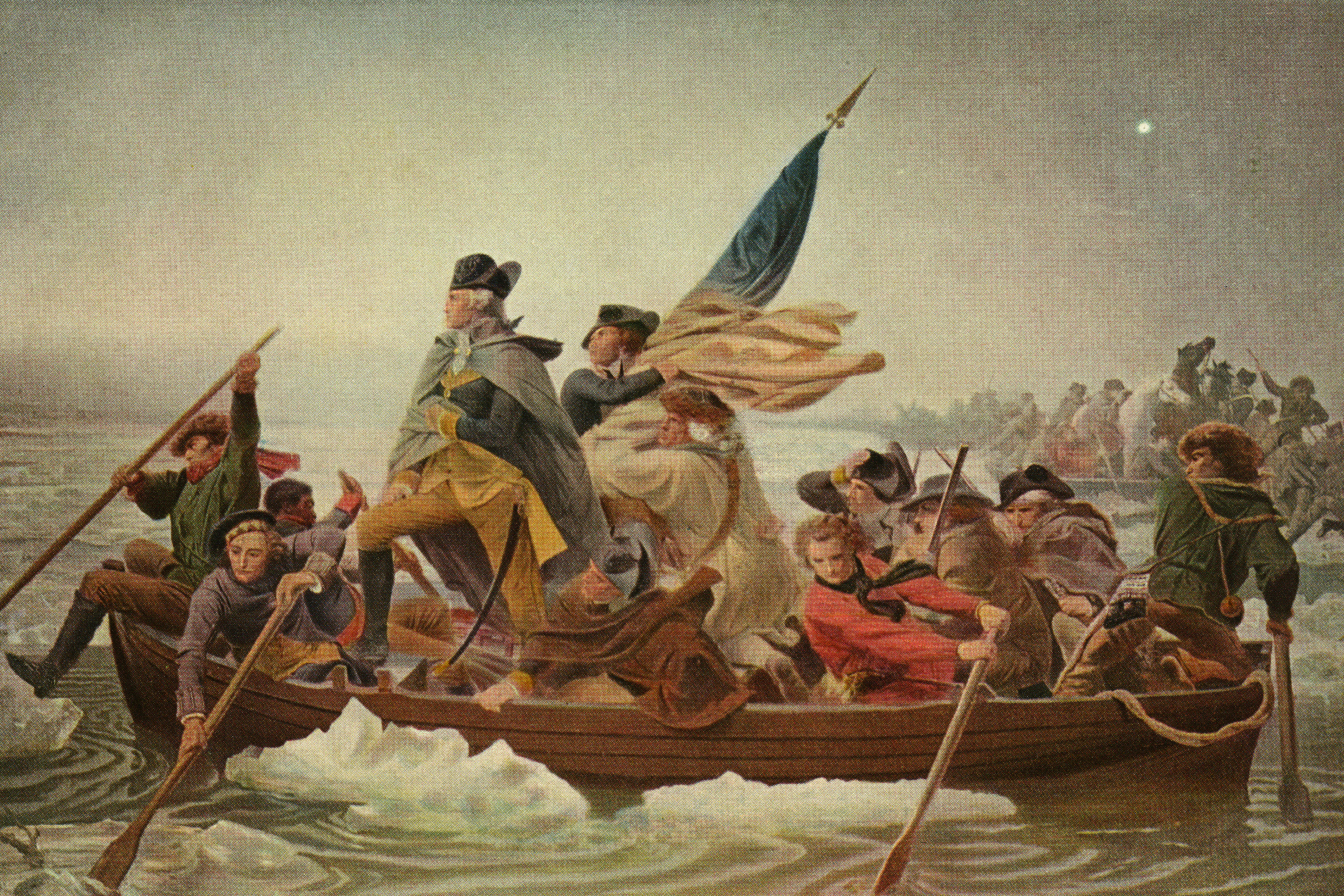
Battle of Trenton
On Christmas night, 1776, George Washington and his Continental Army crossed the icy Delaware River into Trenton, New Jersey. This was a daring maneuver that culminated in the Battle of Trenton and would be historically remembered as a turning point in the American Revolution.
September 19 and October 7, 1777
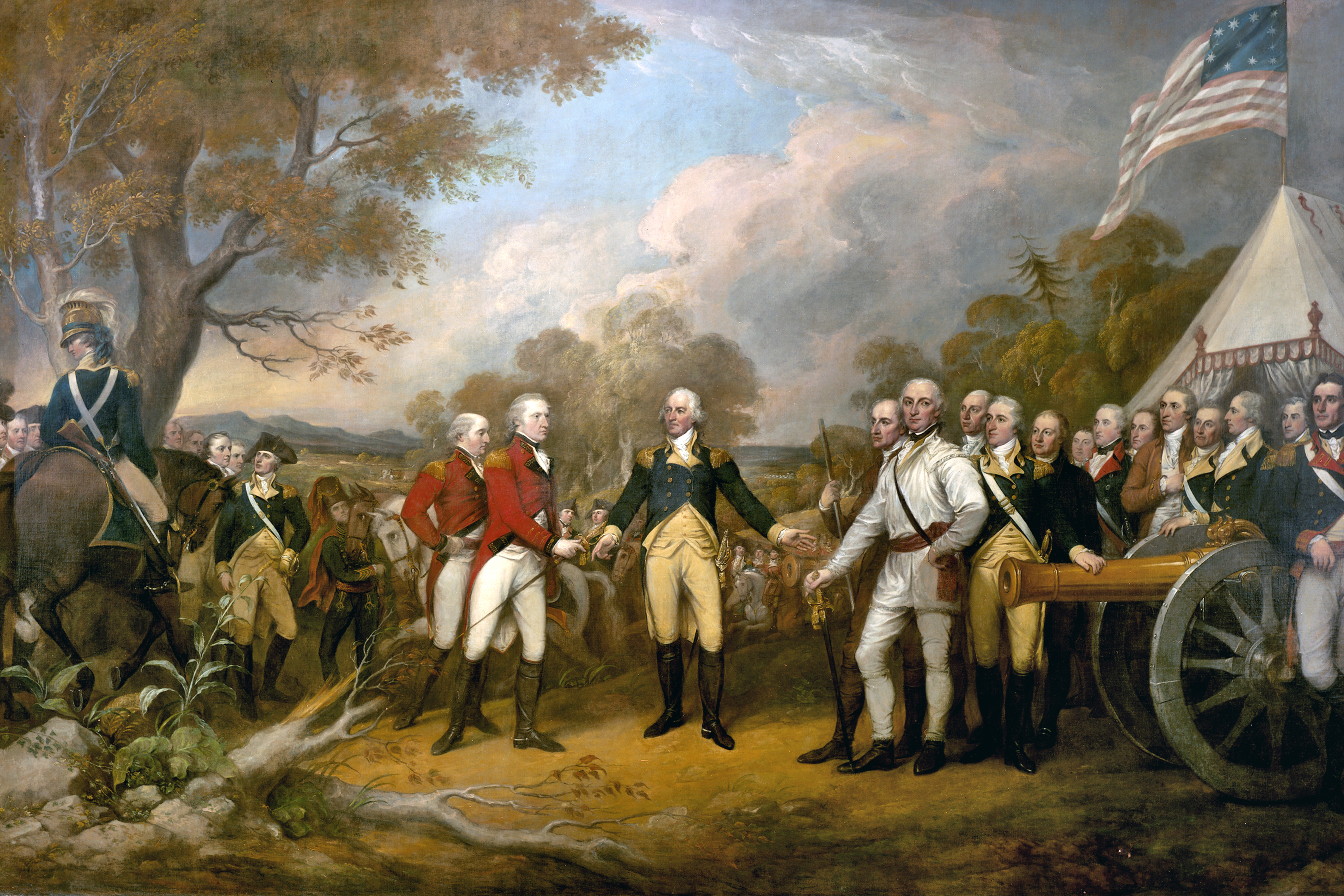
Battle of Saratoga
Two conflicts in 1777 at Saratoga, New York, proved to be turning points in the war. The first, on September 19, 1777 at Freeman’s Farm, saw an exchange between equally matched battalions end in a technical victory for the British but its army suffered heavy losses.
June 1777
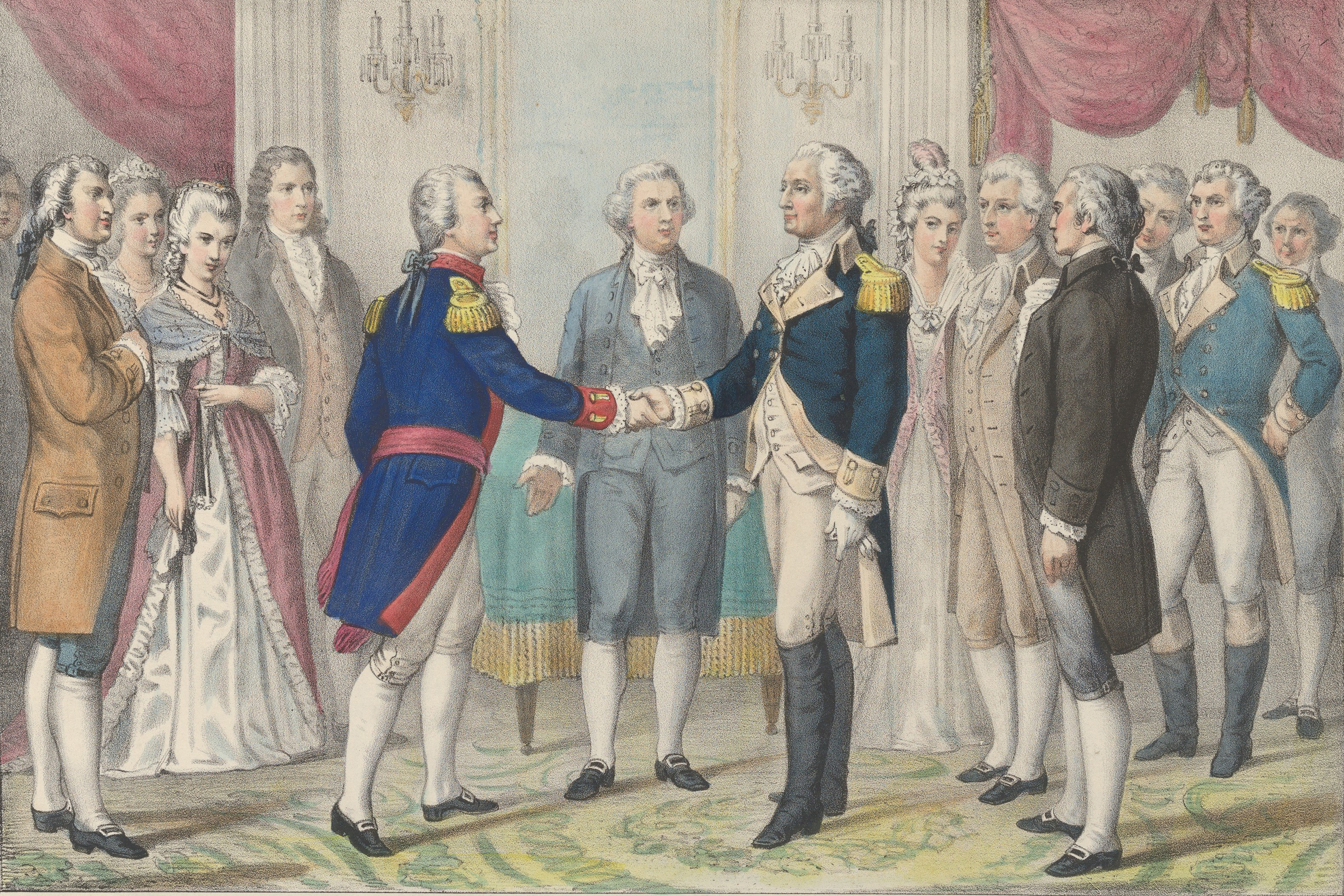
Lafayette’s Arrival
At the age of 19, the Marquis de Lafayette crossed the Atlantic and joined General Washington’s Continental Army. Inspired by the promise of liberty made by the new nation’s Founding Fathers, and despite a royal decree prohibiting French officers from serving…
November 15, 1777
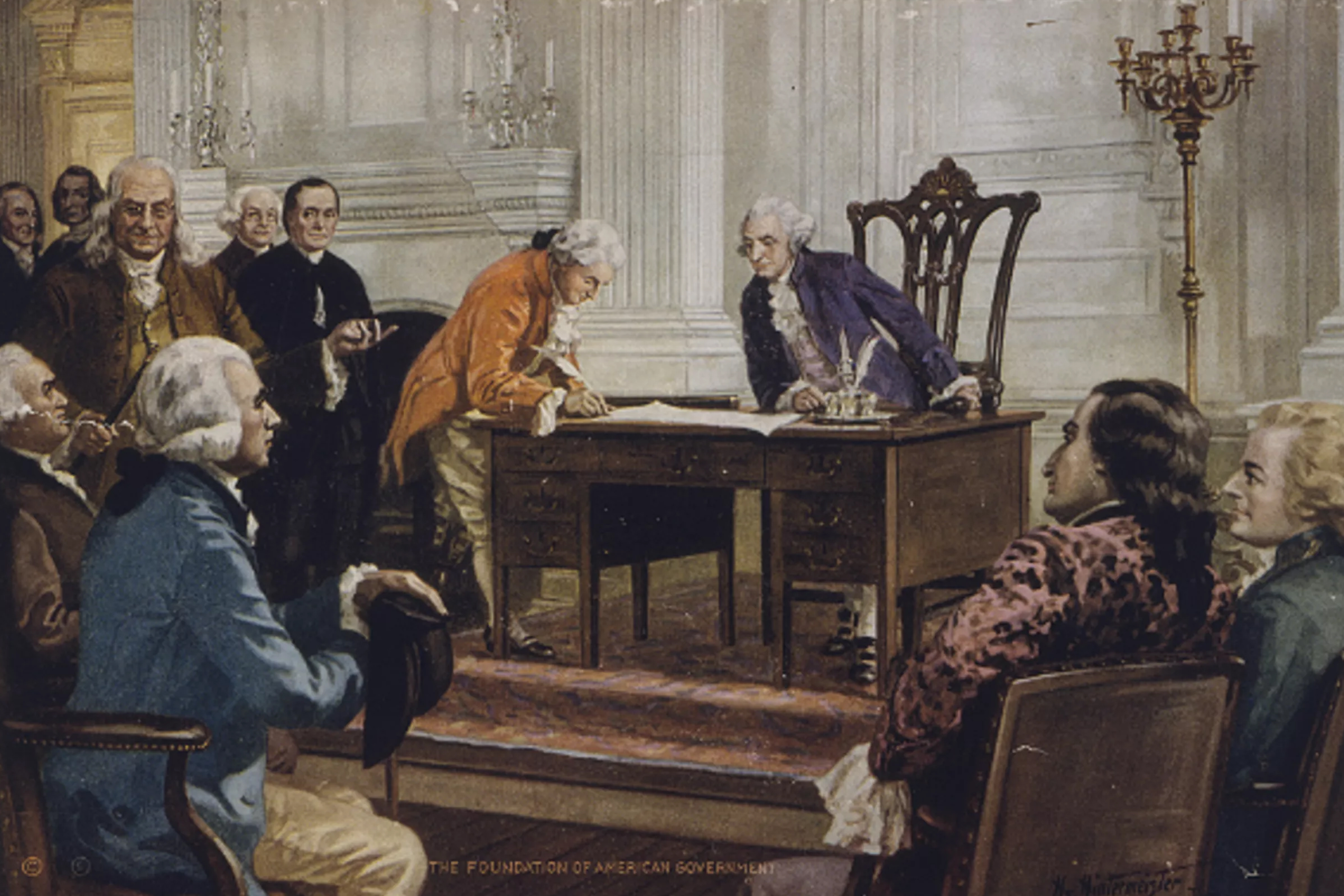
Articles of Confederation
After members of the Second Continental Congress signed the Declaration of Independence on July 4, 1776, the body began drafting the Articles of Confederation and Perpetual Union, the first governing document of an independent nation.
December 19, 1777 – June 19, 1778
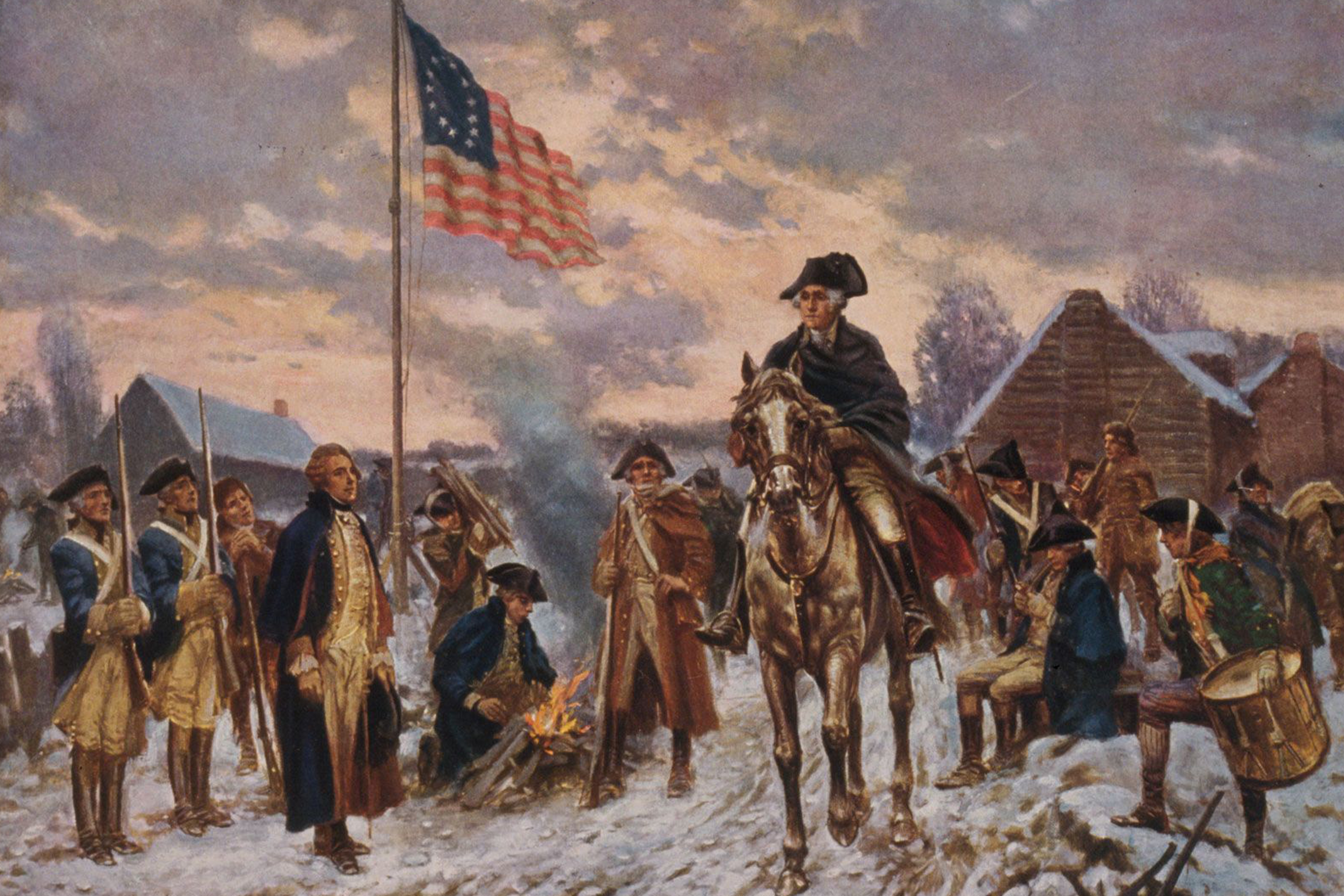
Valley Forge
Washington and his troops braved a brutal winter in an encampment at southeastern Pennsylvania’s Valley Forge from December 19, 1777 to June 19, 1778. Through a combination of disease, malnutrition, and dreadful cold, an estimated 1,700 to 2,000 soldiers died at the camp.
1780-1781
Battles in the South
The Revolutionary War began in the northeastern colonies and traveled southward to the homes of Washington, Jefferson, and Madison. The British Southern Strategy was a plan to win the war by concentrating their efforts in the south, where they anticipated more support from…
September 28, 1781 – October 19, 1781
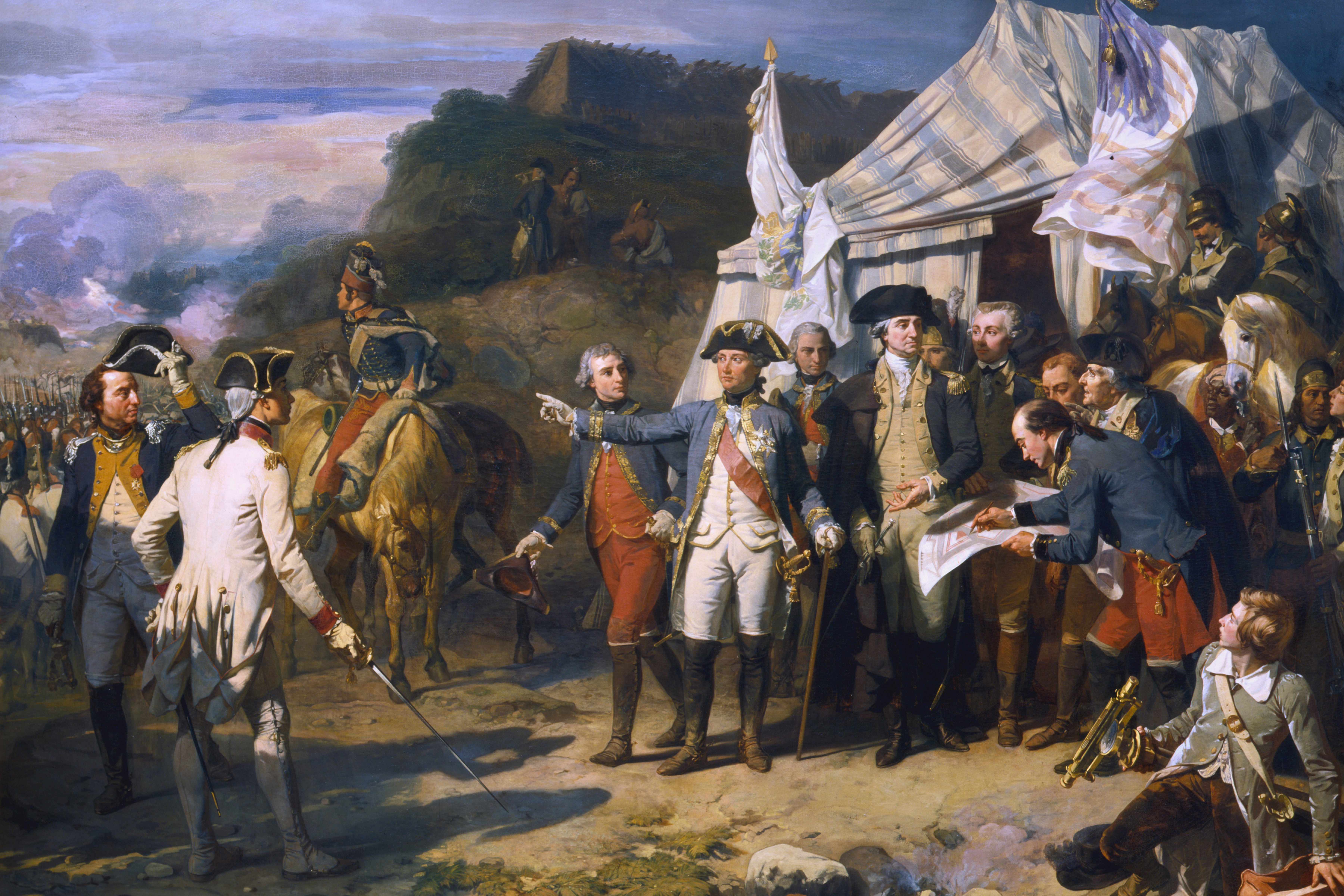
Siege of Yorktown
The final battle of the Revolutionary War–the surrender at Yorktown, Virginia–marked the end of the lengthy war between the British and the new United States. A peninsula near the mouth of the Chesapeake Bay, Yorktown was the final fortification for Charles Cornwallis’s band of…
1787-1788
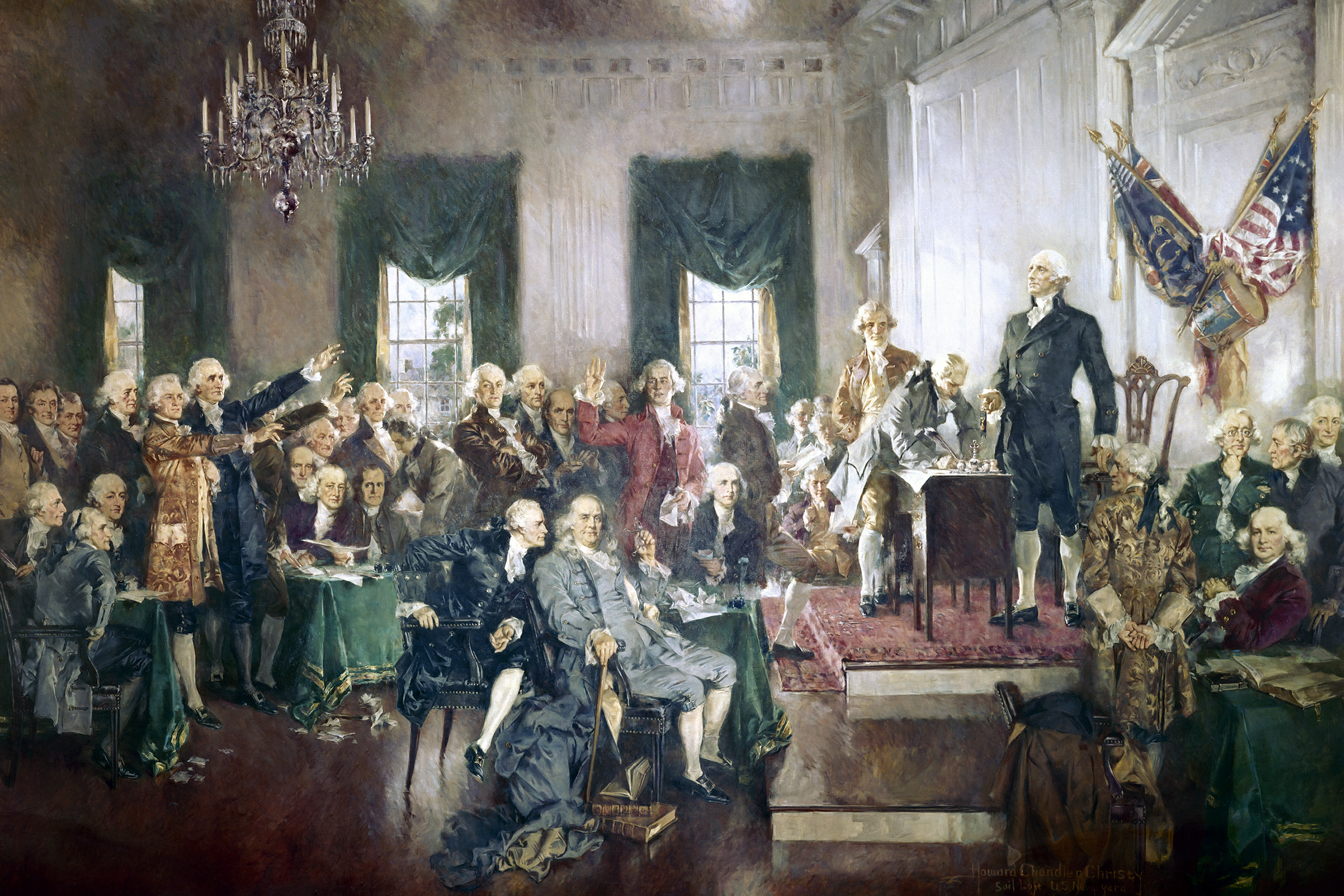
Ratifying the US Constitution
The organization of states formed by the Articles of Confederation soon found a successor in the United States Constitution. The longest-held national constitution in force in the world, this document created a separation of powers into three separate branches of government…
 Lord Buckbeak: "Will you come into my parlor?," said the Spider to the Fly.
Leave a comment