Trevin Wax | September 4, 2025 | The Gospel Coalition
Derrick Bell, a legal scholar in critical race theory, is known for the notion of “interest convergence”: the idea that real progress in race relations only occurs when it aligns with the interests of the white majority. While there’s a nugget of truth here—even the best movements for justice can be tainted by conscious or subconscious selfishness—the result is corrosively cynical, another application of the acid of critical theory that portrays even genuine racial progress as inescapably racist.
Musa al-Gharbi might nod to Bell’s insight, but he’d likely ask whether we’ve made much “progress” at all, especially in terms of wealth disparity. In his provocative new book We Have Never Been Woke: The Cultural Contradictions of a New Elite, al-Gharbi makes use of the intellectual tool kit of Nietzschean power analysis and Foucauldian critique and flips the philosophical script of the “Great Awokening” of the 2010s back onto itself. The acid of critical theory splashes back onto its advocates, revealing the hollow performance beneath the veneer of justice.
Performative Justice and Elite Hypocrisy
Al-Gharbi argues there isn’t any “there” there beneath the surface of recent social justice movements. Although norms and conversations changed, the wealthy elites at the forefront—he calls them “symbolic capitalists”—often act in ways that exacerbate inequality, harming the very groups they claim to champion.
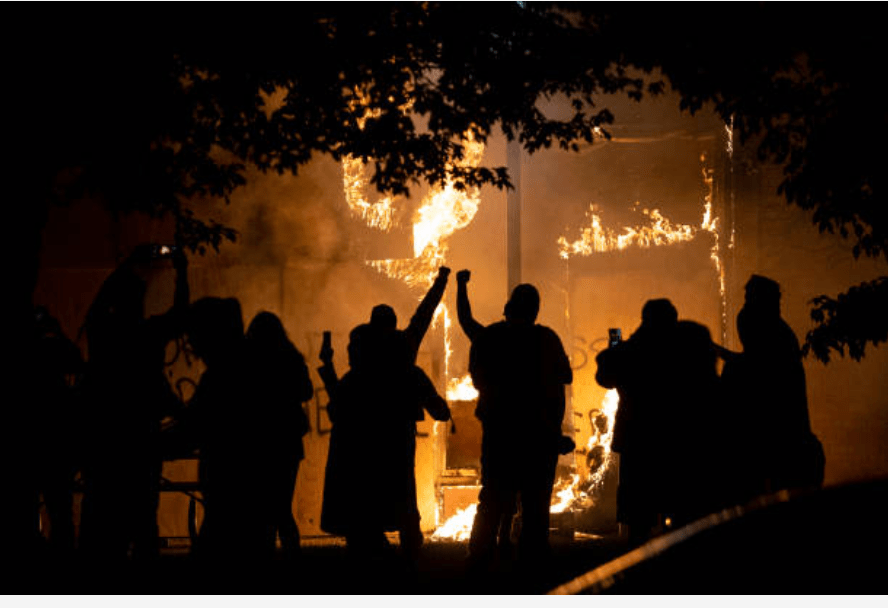
For example, Al-Gharbi describes witnessing Black Lives Matter demonstrators passionately protest injustice while literally stepping over or ignoring black people in genuine need around them. He excoriates progressives for loudly lamenting the effects of COVID-19 on minorities while relying on low-income, often immigrant workers to deliver their food and groceries. Again and again, he exposes the vast gap between progressive rhetoric and progressive behavior.
What some heralded as the “Great Awokening,” al-Gharbi argues, wasn’t primarily a national reckoning with inequality or privilege but rather a fierce contest for social status among educated urban elites. His sociological analysis reveals “wokeness” as a vehicle tarnished by the self-interest and status anxieties of those in power.
To be clear, al-Gharbi isn’t writing as a conservative. He openly draws from Marx, Nietzsche, Bourdieu, and Foucault. What’s notable, however, is his rigorous application of these theorists’ critical methods to his ideological compatriots. Building on Antonio Gramsci’s idea that dominant elites shape institutions to reinforce their power, al-Gharbi critiques how intellectuals promoting critical theory rarely apply their principles consistently.
He observes, “Critical race theory, postcolonial theory, feminist standpoint epistemology, and queer theory have been extremely valuable in demonstrating ways positionality matters . . . [yet] advocates of these frameworks often fail to take their own starting premises to their logical conclusions” (300). This book gives the woke left a taste of their own medicine (or poison).
Social Justice as Status Symbol
The slogans and rituals often associated with wokeness—“checking privilege,” “defunding the police,” or using “Latinx”—don’t serve the disadvantaged, who often look on these gestures skeptically. Instead, al-Gharbi argues, this vocabulary acts as a password into elite circles, signaling one’s higher social status. There’s a race among these elites to outdo one another in ideological purity, creating slogans or promoting policies so extreme they become impossible to realize or even seriously discuss.
Al-Gharbi’s take on wokeness is that the past few cycles marked by a push for social justice have never really been primarily concerned with equality. They happen when “growing numbers of frustrated erstwhile elites grow bitter toward the prevailing order and try to form alliances with genuine marginalized populations.” New jobs arise from these movements (for example, the entire DEI industry). New ways of signaling one’s passion for the cause. New methods of education into symbols, rituals, and vocabulary. But none of this moves the needle for those genuinely needing assistance or justice. The big beneficiaries are the “symbolic capitalists.”
Is al-Gharbi anti-woke? Not exactly. Even those on the left who abandon woke ideology and criticize its excesses don’t escape his scrutiny. They, too, participate in the same status game, he says, building personal brands by distancing themselves from their former allies.
Watch Actions, Not Words
The heart of al-Gharbi’s argument could be distilled into a simple principle: “Don’t pay attention to what I say. Watch what I do.” Throughout We Have Never Been Woke, he relentlessly exposes the gap between progressive rhetoric and elite behavior. For example, in an analysis that lines up nicely with what Brad Wilcox and other sociologists have pointed out, al-Gharbi notes how the progressives most likely to advocate nontraditional family arrangements still adopt conventional paths that set them up for greater success.
Similarly, al-Gharbi highlights how movements ostensibly intended to uplift entire disadvantaged groups often most benefit the wealthiest segments within these groups. A case in point: Betty Friedan’s 1963 book The Feminine Mystique is credited with launching second-wave feminism, rescuing women from the stifling suburban life of a housewife. The reality was that middle- and upper-class women headed for the workplace, expecting “well-compensated and socially respected professional jobs, befitting their social status,” but they “achieved that goal by offloading unwanted domestic responsibilities onto other women—lower-income women, typically immigrants and women of color” (103). And yet they conflated their interests with women generally.
The lesson I take from al-Gharbi’s analysis isn’t just that activists are often hypocrites (that can be true of everyone). It’s that gravity wins. Truth is irrepressible. The irresistible force of the natural law—the moral order knitted into the fabric of the universe as a reflection of God’s character—can’t help but topple the activist’s house of cards, eventually.
Victimhood and Identity
In a chapter titled “Totemic Capital(ism),” al-Gharbi examines the culture of victimhood and its paradoxical results: “People who understand themselves as victims often demonstrate less concern for the hardships of others . . . growing more vicious against rivals—not just against the people who victimized them but against anyone who stands in the way of their goals or aspirations” (227). Ironically, victimhood can become a justification for new oppression.
This pattern of seeking identity through suffering appears throughout history. Al-Gharbi offers the example of “Neurasthenia,” an anxiety disorder once popular among elites claiming exceptional sensitivity unsuited to modern life. When the diagnosis became widespread among lower classes, elites abandoned it, rendering it virtually obsolete in the West. Al-Gharbi wonders whether current claims of “neurodivergence” will similarly lose status once broadly adopted.
Awokening and Authenticity
If various “Awokenings” in American history are stirred up not from a groundswell of the oppressed but due to anxiety around the social status of educated urban elites, then we should wonder what the next movement will look like.
As AI threatens to displace many in the creative and professional class, what contests and competition might arise? As the number of PhD seekers proliferates, even in Christian higher education, what challenges might arise in denominational loyalties and conflicts? What political and cultural effects will we see in a new era of status panic of elites scrambling to maintain their place?
Though al-Gharbi is Muslim, he closes the book with Jesus’s words from Matthew 6, warning against performative virtue and the examination of fruit—deeds, not words. It’s a fitting conclusion and a subtle challenge: If true justice demands integrity, perhaps the loudest voices should first examine their quietest actions.
But I’d take al-Gharbi’s message a step further. Perhaps the fruit is rotten because the tree is no good.
If you would like my future articles sent to your email, as well as a curated list of books, podcasts, and helpful links I find online, enter your address.
 Lord Buckbeak: "Will you come into my parlor?," said the Spider to the Fly.
Leave a comment