Margaret Reist – Aug 20, 2023 – Lincoln Journal Star

Recently retired master gardeners Alice Reed and Steve Nosal sit in the last Sunken Gardens they designed — a Beatles-inspired Magical Mystery Tour — in June. The pair were suspended before deciding to retire earlier this year. KENNETH FERRIERA, Journal Star
Steve Nosal and Alice Reed decided — sometime last year when the creative juices moved them — that Lincoln could use a little more love.
The kind that John, Paul, Ringo and George crooned about.
The “Love, love, love, all you need is love” kind.
So they took the Beatles’ Magical Mystery Tour album and its music — “Penny Lane,” “Strawberry Fields Forever,” “Octopus Garden” — combined it with Peter Max’s “hippie art” on the album cover, and made a plan.
They’d been making such plans — theme-based designs for the Sunken Gardens’ lush flora and fauna — for nearly four decades.
They did not realize it would be their last.
Both retired this year, just as the annual “Wake Up the Beds” volunteer planting event at the Sunken Gardens was getting underway.
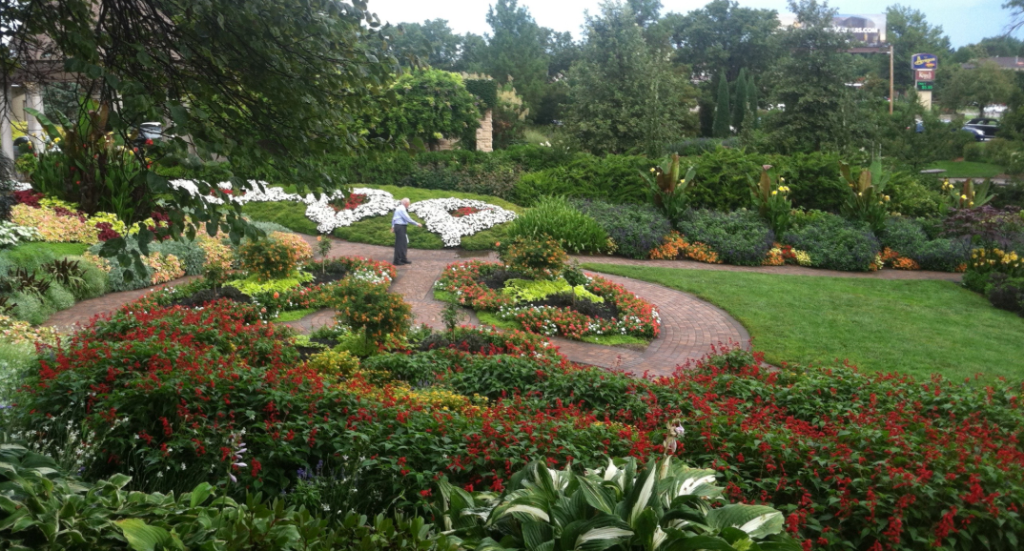
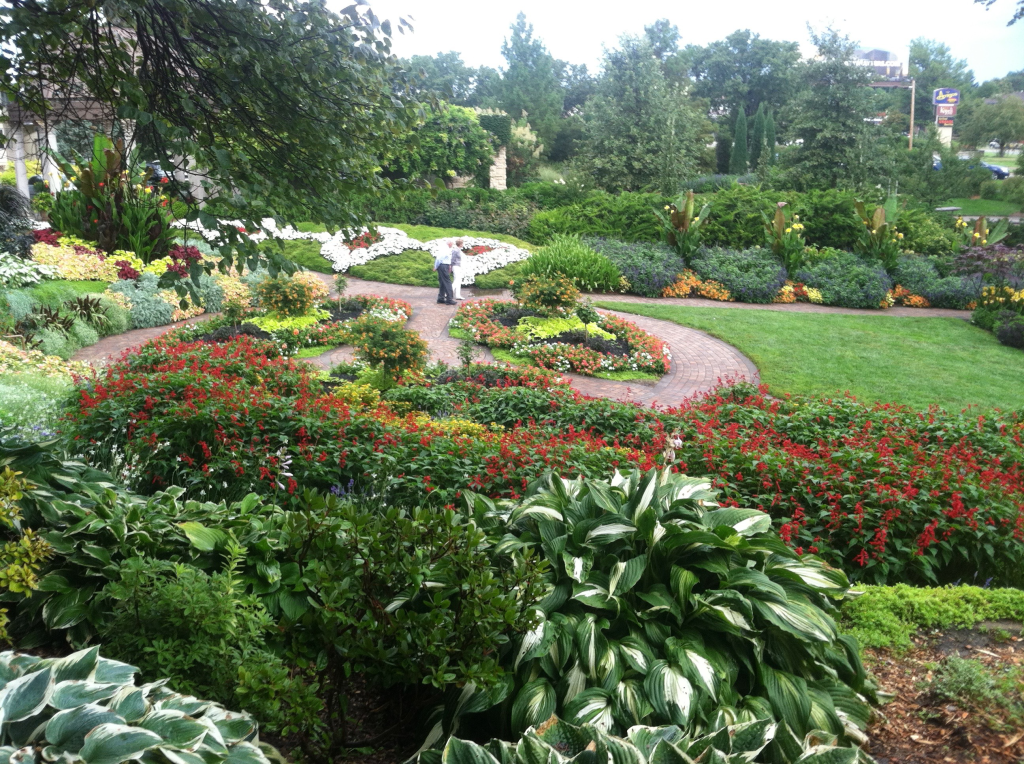
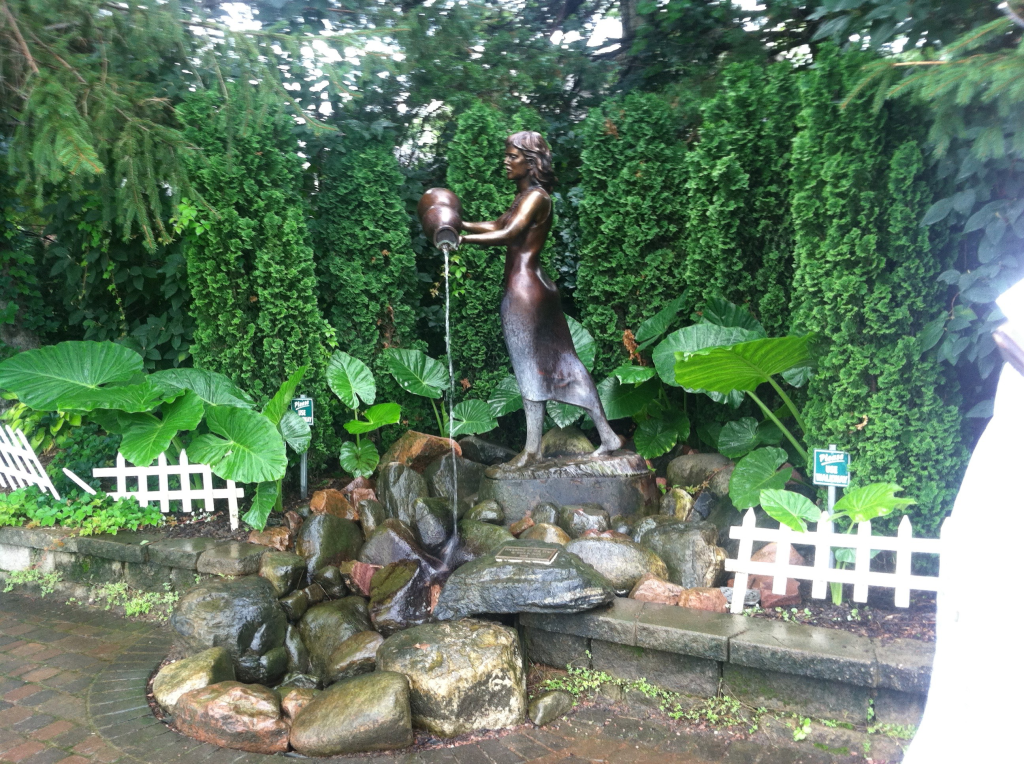
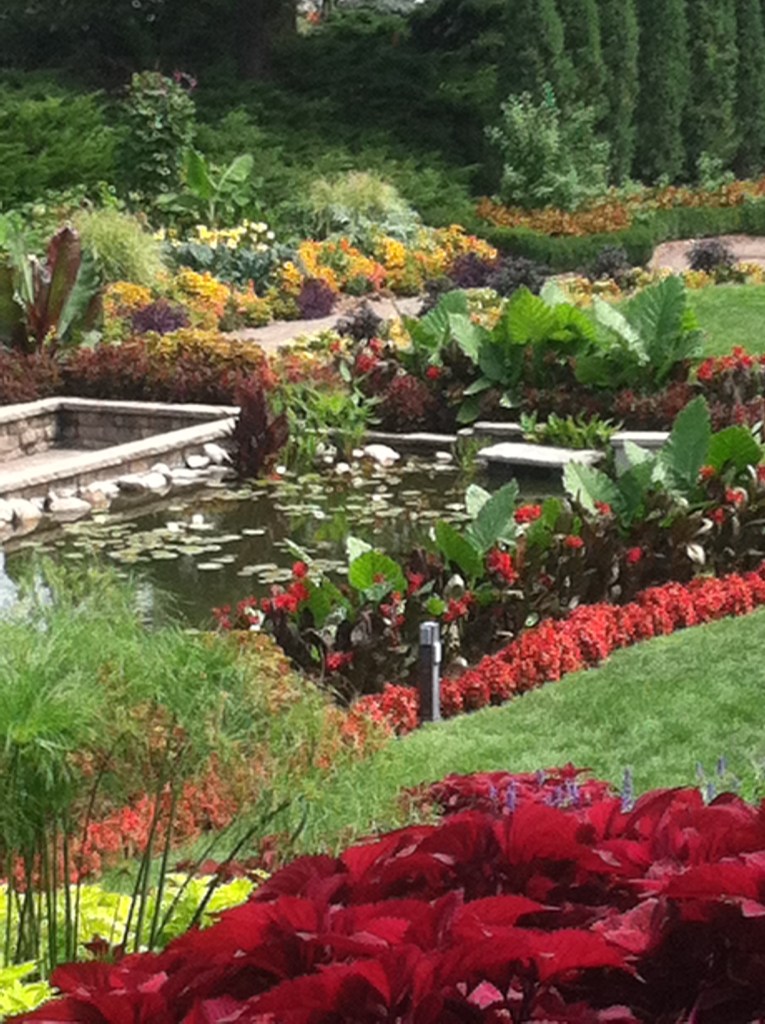
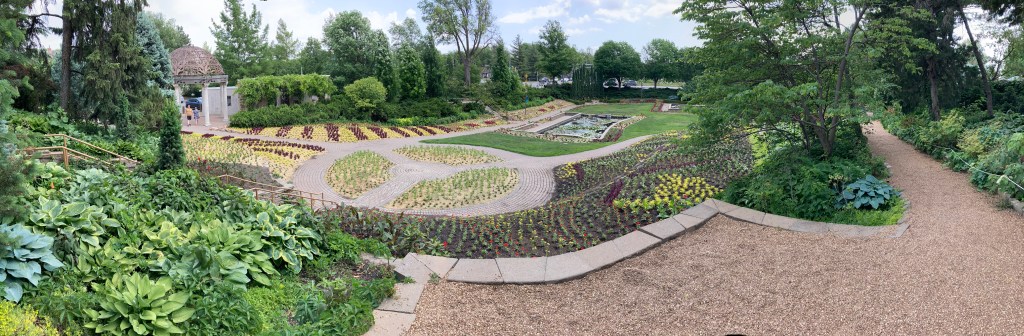
(below we have some photos of the garden taken in 2014 by me)




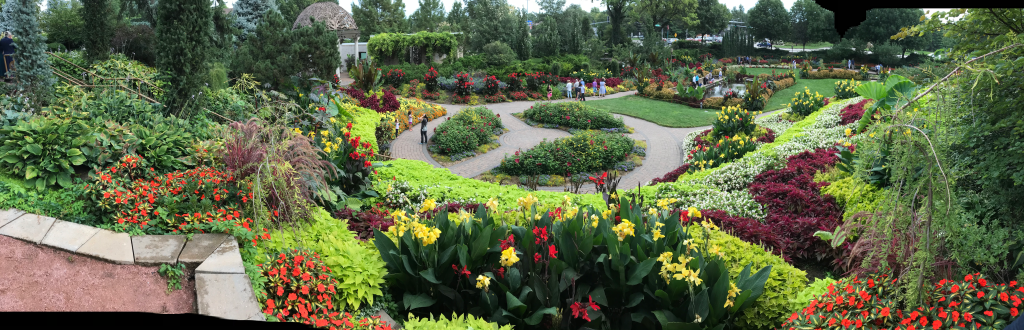
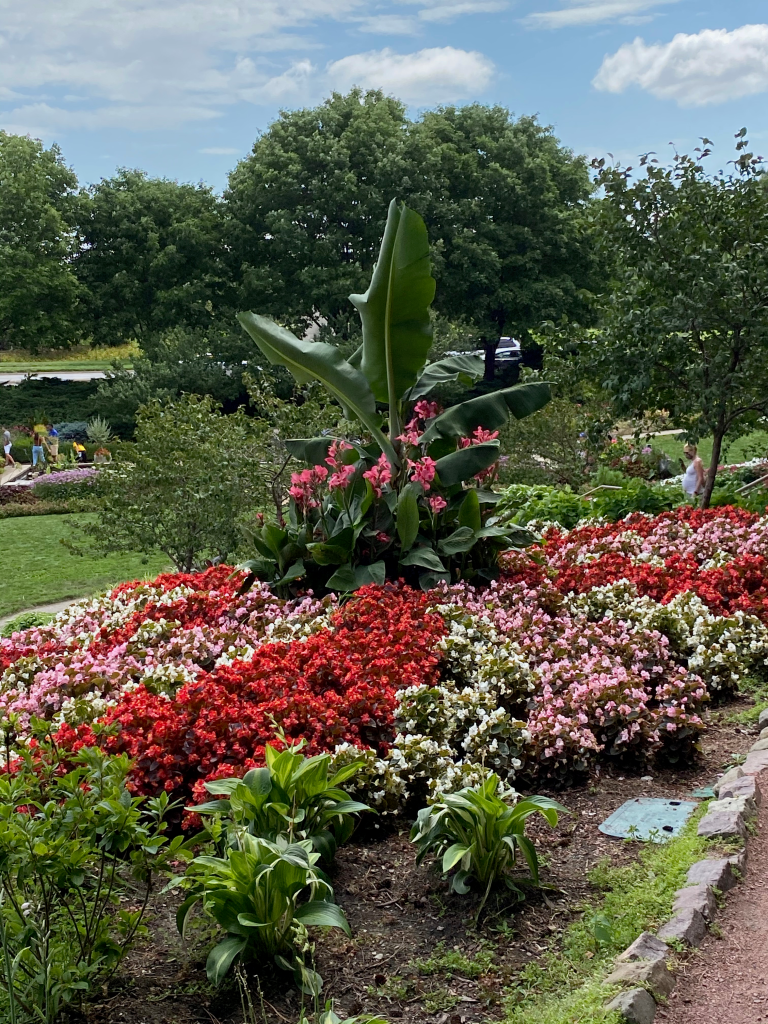
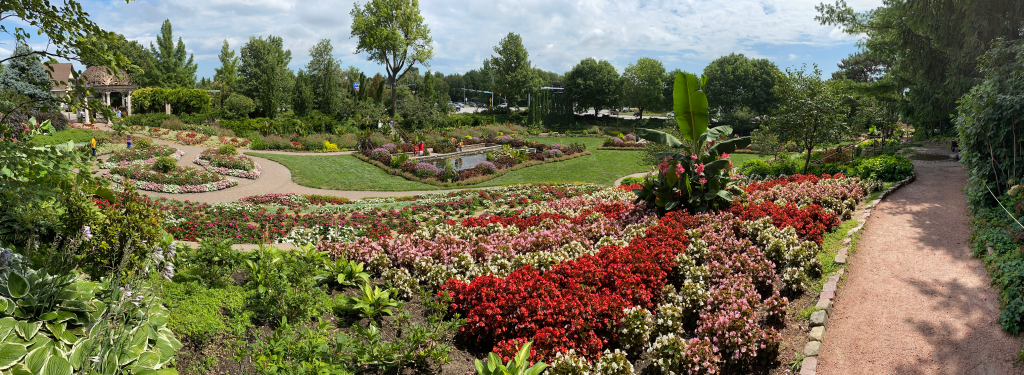
Their sudden departure surprised many, and Reed’s sister Rosemary Reed — who’s helped with the gardens for years — said that although both decided to retire, what happened before that is no way to treat longtime, dedicated employees who have given so much to the city.
“I’m shocked and appalled,” she said.
Both were suspended without pay for 30 days while the city investigated complaints by some employees. When the investigation ended, their pay was reimbursed and they were notified of what’s called a pre-disciplinary hearing that would have allowed them to give their side.
Both decided to retire instead.
“Alice and I decided to part ways with the city and go in a different direction because the city has changed directions of how they want to do things,” Nosal said.
Reed said the current administration seems more focused on recreational activities — bike paths, playgrounds, parks — than on landscaping and the passive enjoyment of gardens.
Both are working with a group that hopes to bring a botanical garden to Lincoln, a private effort that involves discussions about locating it in a city park.
Nosal, who began working for city parks in 1976, and Reed who started in 1984, have become well-known to those in Lincoln who love gardening and the city’s gardens — especially the Sunken Gardens, which has been under their purview for years.
They said there were disagreements about how things should be done and some employees resented the hard work involved. Both Nosal and Reed said they’d discussed issues they were having with their superiors before being suspended, and were caught off guard when that happened.
They said the behavior they were accused of, such as bullying and giving punitive assignments — wasn’t true. The work is just hard, they said.
Reed said some employees were disrespectful to her and, in the end, neither she nor Nosal felt anything was going to change, so they decided to retire rather than return to what had become an untenable situation.
“We had a unique situation with our multi-generational workforce where they really were not wanting to work the program Alice and I had laid out for the last 40 years,” Nosal said. “They’d come in with ideas that were not in compliance with our wishes, and rather than sitting down and talking it out with us, they went ahead and rebelled.”
Lincoln-Lancaster County Human Resources Director Barb McIntyre said she can’t comment on personnel matters and wouldn’t confirm whether Nosal and Reed were suspended, though she did confirm both retired.
She didn’t address the situation with Nosal and Reed, but said her department investigates any workplace complaints. If the department decides to suspend without pay while an investigation is pending, the employee is paid back for that time if the investigation ends without a termination, though other discipline is possible.
Maggie Stuckey-Ross, who replaced longtime director Lynn Johnson when he retired last year, said the two weren’t asked to resign.
“We’re grateful for all they’ve done for public gardens,” Stuckey-Ross said. “They really put us on the map in so many ways.”
Nosal, 73, and Reed, 66, said it’s important for them to thank the residents of Lincoln and all the donors over the years who helped keep the gardens going.
“The citizens were the ones who supported Alice and myself, they paid taxes to pay our wages, came to events and applauded us,” Nosal said.
Nosal, who was born in Columbus and started traveling with a rock band at 16, came to Lincoln in 1976 to work for the city as a park laborer. His first job was to maintain Van Dorn Park.
“I made it look as good as the Sunken Gardens,” said Nosal, who grew up with a grandpa who was a gardener, as was his great-grandpa.
He became a city horticulturist and began working on all the city’s gardens after that first summer, including the Sunken Gardens, and in the city’s greenhouse (which was located roughly where the cheetah run in the Lincoln Children’s Zoo today).
Reed — who grew up in Lincoln and remembers going to the Sunken Gardens and to the city’s greenhouse each Mother’s Day — started working with the city in 1984, after graduating from the University of Nebraska-Lincoln, where she majored in psychology and minored in horticulture.
Internships at the Lincoln Regional Center convinced her that psychology wasn’t her path, and she was thrilled to become a gardener with parks and recreation. She and Nosal began supervising the greenhouse and worked on all the city’s public gardens.
In 1988, the city’s greenhouse came down to make way for a parking lot and Nosal said they had to start buying many of their plants and renting greenhouses to store them, and that’s when the Sunken Gardens planning — and the themes — started in earnest.
They used the themes to help them center on the colors and come up with conceptual plans, Reed said. People loved it and were eager to learn what they’d chosen each year —and they’d often make suggestions.
The themes ran the gamut, from Dr. Seuss and beautiful butterflies to Alice in Wonderland and the Wizard of Oz (and those ruby slippers). They did one garden based on Jimi Hendrix’s “Purple Haze,” another on Prince’s “Purple Rain.” One year, they chose the Thunderbirds of Nebraska, a theme based on the mosaic bead designs of Native Americans who celebrate thunder and the return of migratory birds.
“We just had a riot with that stuff,” Nosal said. “We researched it to no end.”
Nosal calls their work “garden art.”
“It was, basically, a painting with plants,” he said.
They both spent time traveling to public gardens across the country to get ideas: Washington, D.C., Denver, Minneapolis, Oregon, Washington state, British Columbia. Even Europe.
They learned about Van Gogh’s color blending, that Monet was a gardener as well as a painter. They included art museums in their quest for ideas.
The two developed a strong partnership over the years, each with their own strengths. Reed could memorize plants — their colors and their names, what they needed to thrive; Nosal took charge of the ordering, buying. They’d both work on the conceptual design, Nosal would create the blueprint on paper. Both worked with the plants in the greenhouse.
She’d wake up in the middle of the night with an idea and text him. He’d get it down on paper.
“We know what the other’s going to do. It’s that kind of partnership. It’s a unique working partnership,” Nosal said.
In the 1990s, they worried about the future of the Sunken Gardens, heard rumors the city might fill it in. They were determined to save it.
Nosal, who’d already earned an undergraduate degree in landscape design from UNL, went back to school and got a master’s degree in public garden administration. His thesis was on the history of the Sunken Gardens — starting with its beginnings in the 1930s.
Mayors and parks directors later used the thesis to help promote the importance of the gardens, Nosal said. Reed worked to get the backing of wealthy Lincoln residents so the gardens would continue to thrive.
“Alice and I recognized somebody had vision in the 1930s and we needed to figure out a vehicle to keep it alive,” Nosal said.
In the late ’90s, the Sunken Gardens made National Geographic’s list of the 300 best public gardens in the U.S. and Canada. It appeared in landscaping and gardening magazines through the years, and was once pictured on a state map.
In 2004, the gardens were renovated, including a new pavilion, new sculptures, cascading water, restrooms and handicap-accessible entry and walkways.
During the renovation, lots of people wanted to volunteer — and they needed the help, so Reed invited people to do so. At the suggestion of her sister, they decided to call the group Garden Gab. The group still helps weekly.
Both were looking at retiring in about a year, and they’d already begun to think about the design for next year — a Native American-inspired theme, with the sun setting in the west, a nod to their own ride into the sunset.
“We didn’t get to retire on our terms, but we sure gave it all we had,” Reed said.
They were sorry they weren’t there, digging in the dirt when their Magical Mystery Tour began to come to life this spring. Some natural love, color and enjoyment for Lincolnites, Beatles style.
“We were so happy to serve (the residents of Lincoln) and make these beautiful designs and draw people to Lincoln,” Reed said. “People knew this place. It was a mecca and I hope that can continue.”
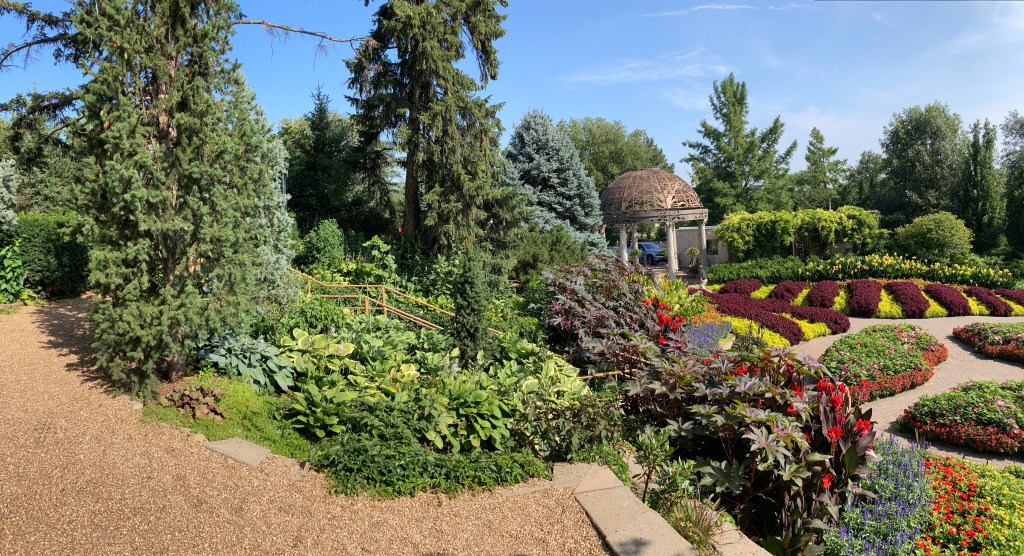
(Here are some further photos of the Sunken Gardens taken by me in 2022/23)



 Lord Buckbeak: "Will you come into my parlor?," said the Spider to the Fly.
Leave a comment